Liverty drops · native photos per philosophy arm
22 arms · 129 photos. Each is a real photo, untouched or with one small edit, showing a moment its arm's story names.
A1 · A2 · A3 · A4 · A5 · B1 · B2 · B3 · C1 · C2 · C3 · C4 · D1 · D2 · D3 · E1 · E2 · F1 · F2 · F3 · G1 · control
A1 · A PLANT THAT CALMS / ECZEMA LIKE / A STEROID
The plant steroid




Long body (1142 words), as it runs live
A plant that can calm eczema the way a steroid does sounds like a sales line until you have spent twenty-two years handing the actual steroids across a pharmacy counter and watched what they do and do not do.
I have filled prescriptions in a hospital pharmacy for most of my working life, and the eczema scripts cross that counter every single day, the mild hydrocortisone for the early cases and the stronger tubes for the people who have run out of gentler options, and for a long time I counted them out and repeated the instruction I was trained to give, which is to use them only for short stretches, and I believed that tube was simply the answer and that the job ended at the bag.
The textbook version of eczema care is almost that simple, because the redness is on the surface, the cream goes on the surface, the flare settles, and everyone moves on, which is exactly what I told myself every time a familiar face came back for another repeat.
What started to bother me, after enough years of the same faces, was that they were the same faces, the woman who picked up clobetasol every few weeks for the patch on the same wrist, the young father whose little girl climbed the strengths one tube at a time, all of them calming the flare and all of them back again before the season turned.
I used to think that was just the nature of a chronic thing, until the eczema on my own wife stopped answering to the cream she had leaned on for years, and I found myself standing on the other side of that same counter with nothing better to offer her than a stronger tube, which is the moment a job stops being a job.
So I did the thing I should have done a decade earlier and started reading properly, late into the evenings, through the papers behind the products rather than the leaflet in the box, looking for the plain answer to a question none of my training had ever really put to me, which was why the calm from a cream never seems to hold.
The answer, when I finally understood it, was almost embarrassing in how simple it was, because the body already makes its own version of a steroid against a flare, a calm it produces itself called cortisol, and cortisol is the thing that actually brings the redness and the itch down long before any tube is involved.
A steroid cream works so quickly for the plain reason that it lays a man-made copy of that same cortisol on top of the skin, which I had always known in a loose way but had never once connected to the part that comes next, the part nobody counts out for you at the counter.
Once your own cortisol has done its work, an enzyme in the skin winds it down into an inactive form so that it does not run on forever, which is normal and necessary, except that in eczema skin that winding-down comes too early, before the calm has had the hours it needs to hold, so the flare climbs back almost as fast as it settled and you are at the counter again.
For years I had been the one handing out a fresh copy of cortisol in a tube while the skin underneath kept switching off the cortisol it made on its own, which is a little like refilling a bath without ever noticing the plug was out the whole time.
So I went looking for anything that worked on that early switch rather than on the surface, and that is how a pharmacist ends up reading about a plant, because the main compound in licorice root slows the very enzyme that turns cortisol off, so the calm you already make stays active longer and keeps working.
This is not folklore I am passing along to sell a bottle, because a research team writing in the Lancet in 1990 found that enzyme in human skin and showed the licorice compound slowing it, and even made a mild steroid work harder in the skin they tested, and in a later six-centre trial of just under two hundred adults with eczema, that same compound taken by mouth alongside a steroid cream did better over twenty-eight days than the cream managed on its own, with the itch settling more.
The part that genuinely stopped me, standing behind a counter in this country, was learning that in Japan that same compound from licorice is not a supplement at all but a prescription for eczema and dermatitis, dispensed as tablets, while here the same skin only ever earns you a stronger tube, which is the honest reason people have called licorice a plant steroid, because it works on the steroid the body already makes without being a drug.
That compound is what sits inside Liverty Dynamic Drops, alongside lemon balm for the nights the itch keeps you awake, with every plant printed openly on the label, and you take one dropper under the tongue at night and hold it there for half a minute, with a lemon taste rather than the chemical bite you brace for.
You keep the cream for a genuine flare, the way I still tell people to, because a cream brings a bad day down faster than anything, and you add the drop for the reason the flare keeps coming back, which is the one thing the tube was never built to touch.
I started mentioning it quietly to a few of the regulars whose repeats I could almost predict, and the thing that came back was always the nights first, falling asleep without clawing at themselves and waking less to scratch, and I was careful to tell every one of them that it builds slowly rather than arriving overnight.
In the first week most people simply sleep better, and over the next two or three weeks the new patches that follow a hard stretch start to thin out, and it is somewhere around the second month that the patches the cream clears stop coming straight back in the same place, and sixty days is a fair stretch to give it before you decide.
I am not writing this to talk anyone off their cream, since I still count those tubes out every day and would hand them over again, but I spent a long time at that counter never once telling a soul that their own skin makes the calm the cream only imitates, and switches it off too soon.
If you have spent years being handed a stronger tube and were never told there was a plant that keeps your own calm working longer, you can read the rest of it here: https://phoilex.com/pages/liverty-drops
A2 · YOUR SKIN'S OWN / ECZEMA CALM / FADES TOO FAST
The cortisol switch


Long body (1139 words), as it runs live
Your skin makes its own calm against a flare, and the reason that calm fades too fast has nothing to do with how hard you are trying to hold it together.
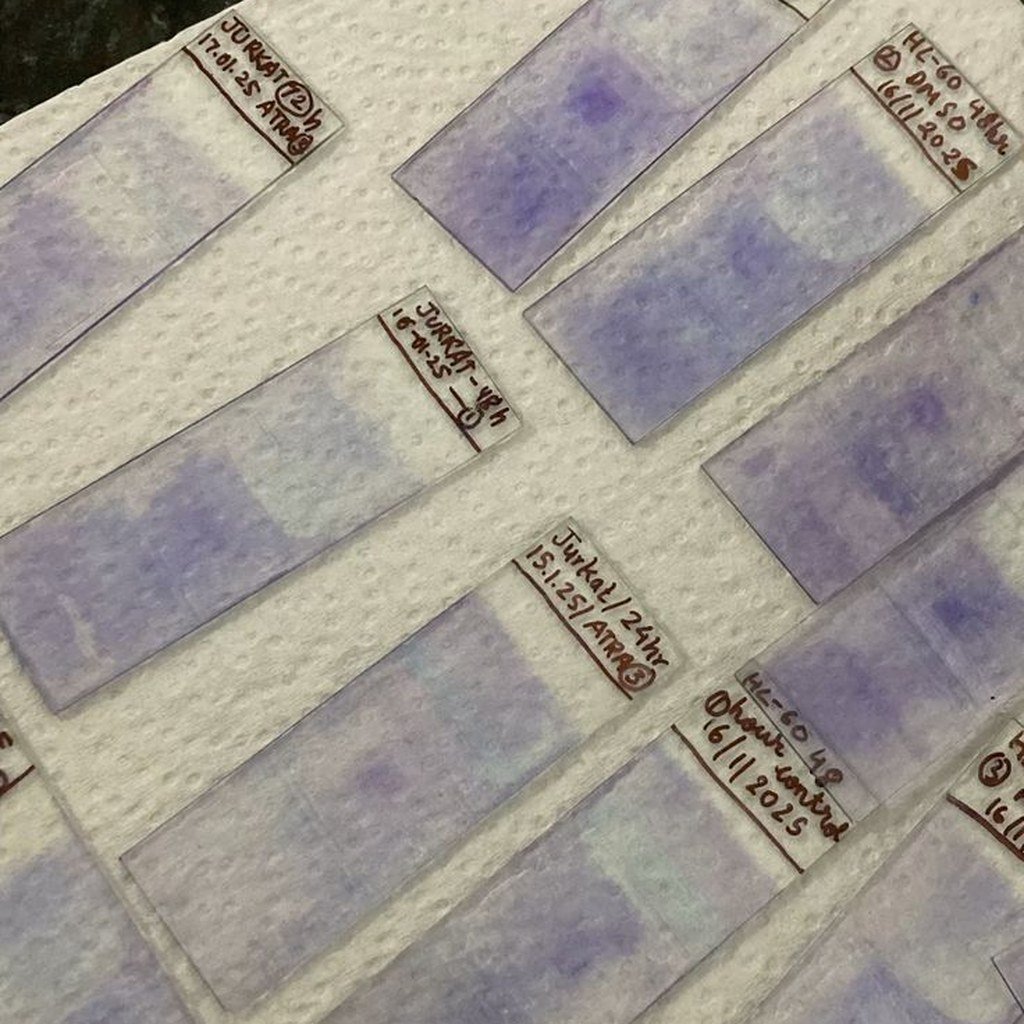
For eighteen years I have read skin under a microscope, the thin slices a dermatologist sends down to the lab when a rash will not behave, and I am the one who writes back what the tissue is actually doing, which for a long time I treated as a job that ended at naming the inflammation, because that was the question on the form and that was the answer the clinic wanted.
The textbook reading of an eczema biopsy is almost that tidy, inflamed skin, a thinned top layer, the familiar picture, and you sign it out and the next slide comes up, and for years that was the whole of the relationship I had with this disease.
What began to bother me was not any one slide but the pattern across thousands of them, the same patients' names coming back on new requests season after season, the same tissue from the same square of skin, calmed on the outside by whatever the clinic had prescribed and plainly not settled underneath, because settled skin does not keep landing back on the bench.
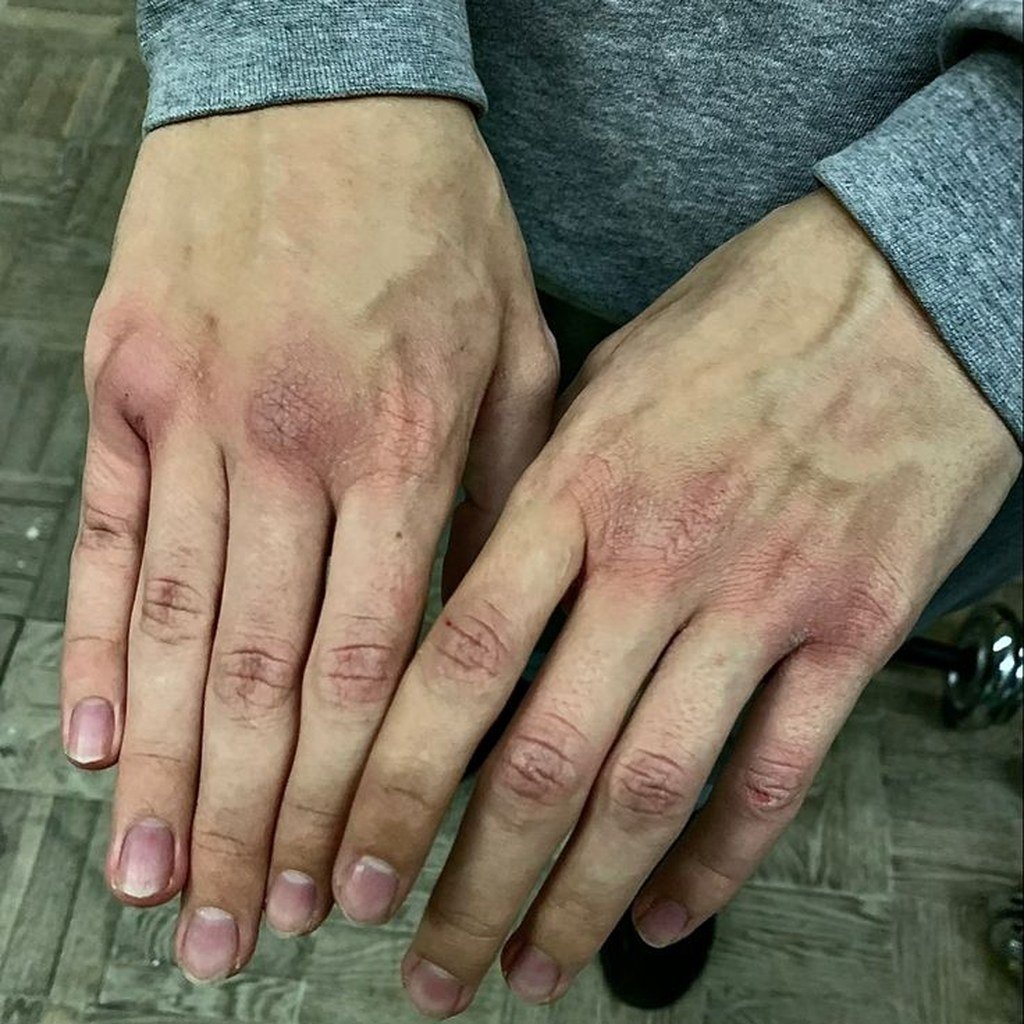
The year my sister asked me to look at her own hands, raw and split from the eczema she had carried since childhood, I stopped being able to treat this as a puzzle under glass, because the creams had stopped holding for her the way they stop holding for so many, and I wanted a better answer than the one on the form.
So I did what I should have done sooner and read beyond the slide in front of me, late into the evenings, through the work on what the skin is doing with its own chemistry rather than what a stain shows me, looking for the plain reason a calm that arrives never seems to stay.
The answer, once I had it, was sitting in the very tissue I read all day, because the body makes its own version of a steroid against a flare, a calm it produces itself called cortisol, and cortisol is what brings the redness and the itch down on its own well before any cream is involved.
The moment that calm has done its work, an enzyme in the skin winds the cortisol down into an inactive form so that it does not run on without end, which is a normal and necessary thing in ordinary skin, and it is the quiet machinery I had been looking straight at for years without ever thinking of it as the whole story.
In eczema skin the winding-down happens too soon, before the calm has had the hours it needs to hold, so the flare lifts back up almost as fast as it settled, and that is the finding that rearranged how I read every slide after it, because I had been describing the aftermath of a calm that was switched off early and calling it simply inflammation.
It is the reason behind the one sentence I hear more than any other when people learn what I do, that the cream calms it for a day and by morning it has come right back, and I have watched the same patch on the same wrist settle under a cream and flare again in the same square of skin within a week, over and over, on the bench in front of me.
People blame their own skin for giving up, or blame themselves for a trigger they can never quite find, when what is really happening is quieter and kinder than either of those, a calm they made themselves being shut off before it could finish the job.
That sent me looking for anything that slows that early switch rather than piling another calm on top of the skin, and it turned out the thing that does it is a plant, because the main compound in licorice root slows the very enzyme that winds cortisol down, so the cortisol you already make stays active longer and keeps working.
This is not a herbal story I am dressing up, because the same researchers who first found that enzyme in human skin, writing in the Lancet in 1990, showed the licorice compound slowing it, and even made a mild steroid work harder in the skin they tested, which is the opposite of what you would expect from a weak folk remedy, and in a later six-centre trial of just under two hundred adults with eczema, that same compound taken by mouth alongside a steroid cream did better over twenty-eight days than the cream managed on its own, with the itch settling more.
If you want the name of the switch, it is an enzyme the labs call 11-beta-HSD, and it is the one small piece of machinery that decides whether the calm your own skin makes gets to hold or gets packed away early.
That compound is what sits inside Liverty Dynamic Drops, alongside lemon balm for the nights the itch keeps you awake, with every plant printed openly on the label, and you take one dropper under the tongue at night and hold it there for half a minute, with a lemon taste rather than the chemical bite you expect.
You keep the cream for a genuine flare, because a cream still brings a bad day down faster than anything, and you add the drop for the reason the calm kept quitting early, which is the one thing no tube was ever built to touch.
When I mentioned it to my sister and a few others whose skin I already knew too well from the slides, the thing that came back first was always the nights, falling asleep without clawing at themselves and waking less to scratch, and I was careful to say every time that it builds slowly rather than arriving overnight.
In the first week most people simply sleep better, and over the next two or three weeks the new patches that follow a hard stretch begin to settle, and it is somewhere around the second month that the patches the cream clears stop coming straight back in the same spot, and sixty days is a fair read before you decide.
I spent most of a career describing the end of a calm that was switched off too soon and never once writing on the form that there was anything to be done about the switch itself, which is a quiet thing to carry when you finally understand it.
If your skin has been calming for a day and quitting by morning for as long as you can remember, the reason behind it is finally something you can read about here: https://phoilex.com/pages/liverty-drops
A3 · ECZEMA SKIN IS BUILT / SLOWER TO CALM / A FLARE
Born without the brake





Long body (1036 words), as it runs live
Eczema skin is built slower to calm a flare than other skin, and once you understand that, every time someone told you to just relax starts to look like the unfair thing it always was.
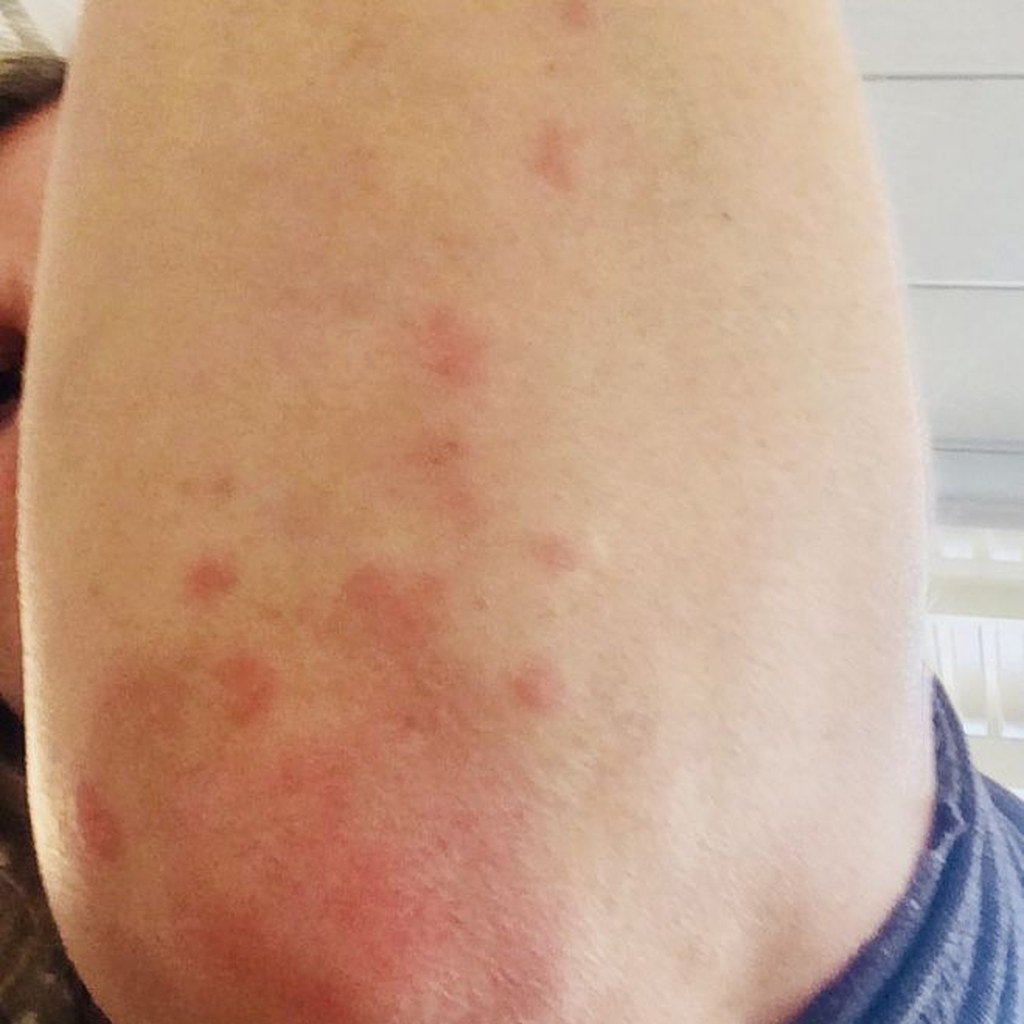
For most of my life I treated my eczema as a verdict on my character, because that is how it was handed to me, gently by some people and less gently by others, the suggestion that I needed to handle my stress better, that I was too wound up, that if I could only learn to settle down then my skin would follow.
So I did everything you are supposed to do, I meditated and I journaled and I took the long walks and I booked the time off, and I flared anyway, and the cruel joke of it was that I often flared worst in the calm stretches, the holidays and the slow weekends when by every piece of advice I had ever been given my skin should have been at its best.
By my thirties I could predict a flare better than any doctor and still could not stop one, which is a particular kind of helpless, knowing exactly what is coming and having every well-meaning person in your life quietly certain that it is somehow your own doing.
Being told to relax more, over and over, by people who loved me and by people who were paid to help me, slowly became its own wound, because each time it landed as a verdict, that the raw skin was a report card on how badly I was managing my own mind, and I carried that verdict for years as though it were simply true.
So at some point I stopped accepting that verdict and became a little obsessed with finding the real reason, reading late into the night and refusing to believe that a disease that had run my whole life really came down to me not being peaceful enough.
What I found took the blame off me for good, because it turns out that when a hard day hits, the body is supposed to answer it with its own calm, making a quiet pulse of cortisol, its own version of a steroid, and that is part of what keeps a stressful day from tipping over into a flare.
Studies of people with eczema show their skin makes a weaker version of that calming response, so the calm that should arrive on a hard day arrives late and small, which means a hard week tips into a flare before the body's own answer has fully shown up, and the flare climbs while the very thing that should have held it back is still catching up, and no amount of breathing changes how much of that calm the skin can make.
Read that again, because it changes who is at fault, since you were never bad at handling stress, your skin was simply built short on the calm that handling stress is supposed to produce, and being told to relax was never going to be enough when the shortage was never a shortage of effort.
That is the part that quietly enrages me now, that so many of us were handed a reflex we cannot will and then blamed for it, told to manage something the body runs on its own, as if peace of mind were a prescription we kept failing to fill.
So the honest question stopped being how do I stop being stressed, which was never really in my hands the way they said, and became how do I give that weak calm more to work with, which is a question that actually has an answer.
The answer turned out to be a plant, because the main compound in licorice root slows the enzyme in the skin that turns cortisol off, so the small amount of calm you do make stays active longer instead of being wound down early, and the little you have is stretched to cover more of the day.
I did not take that on faith, because a research team found that enzyme in human skin and showed the licorice compound slowing it in the Lancet back in 1990, and a later six-centre trial of just under two hundred adults with eczema found the same compound taken by mouth alongside a steroid cream did better over twenty-eight days than the cream on its own, with the itch settling more.
That compound is the reason I take Liverty Dynamic Drops, one dropper of a lemon-tasting oil held under the tongue at night, carrying the licorice root along with lemon balm for the nights a hard day keeps me awake and a few other calming plants, with every one of them printed openly on the label.
You keep the cream for a genuine flare, the way I still do, and you add the drop for the side of this that no one ever told you was not your doing, which asks nothing of your willpower and nothing of a calmer personality you were somehow supposed to grow.
When I started talking about it with other people who had spent years being told to relax, the thing that came back first was almost always the nights, falling asleep without clawing at themselves and waking less to scratch, and I was always honest that it builds slowly rather than arriving overnight.
In the first week most people simply sleep better, and over the next two or three weeks the patches that follow a hard week start to come less often, and it is somewhere around the second month that the ones the cream clears stop coming straight back in the same spot, and sixty days is a fair stretch before you decide.
I cannot give anyone back the years of being quietly told that their skin was a failure of nerve, but I can tell you that it was never that, and that the thing your own skin was built short on is finally something you can work on.
If you have spent years being blamed for a flare your own skin was built to let through, here is the rest of what the research actually says: https://phoilex.com/pages/liverty-drops
A4 · WHY JAPAN TREATS / ECZEMA WITH / A PLANT
What Japan prescribes vs what America sells



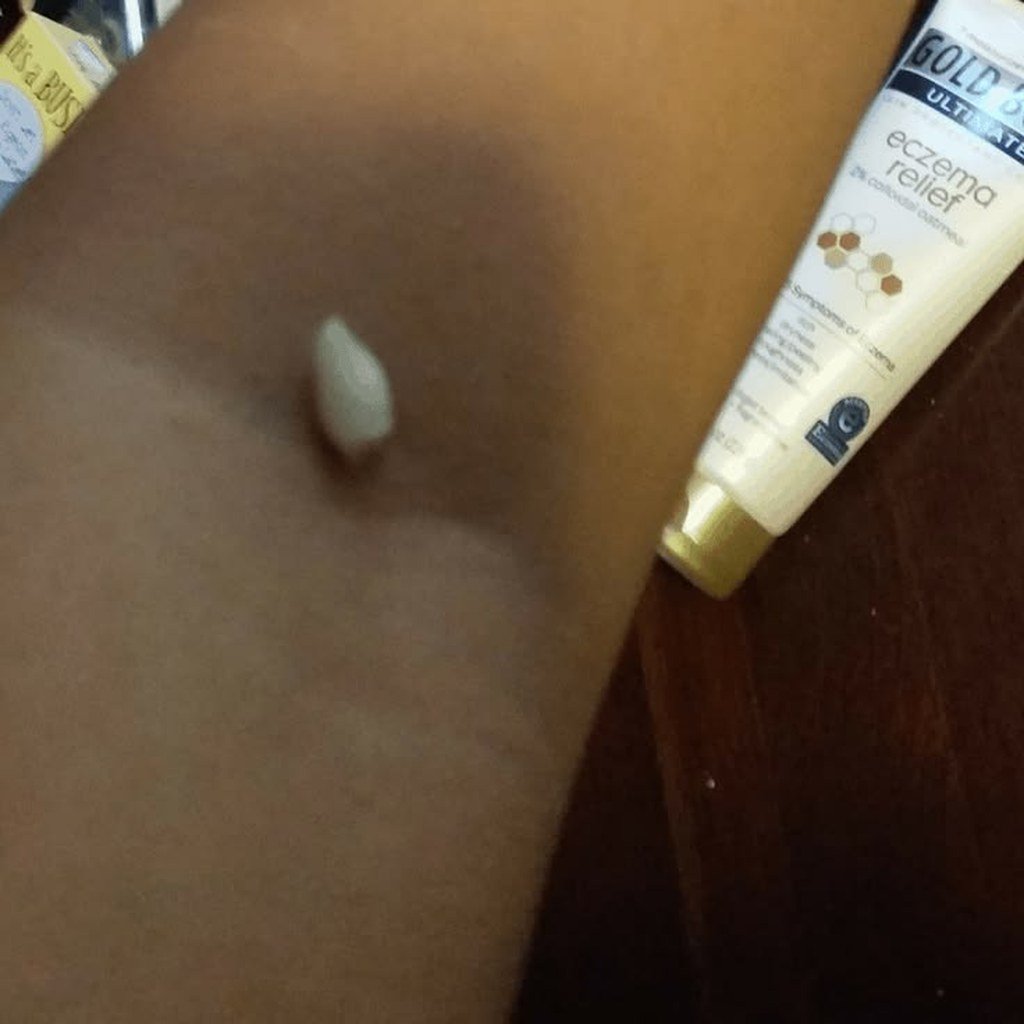

Long body (1082 words), as it runs live
Why a Japanese clinic reaches for a plant where an American one reaches for a stronger tube is a question I can only answer because I trained in both.
I am a dermatologist, and I spent part of my training years in a hospital in Japan before I came home to practise, which is where I first saw something I had no shelf for in the training I came up through, because when a patient there came in with stubborn eczema or dermatitis, one of the things a doctor could reach for was a tablet made from a compound in licorice root, dispensed under the name Glycyron with a doctor's name on it as a medicine for the skin, and there was an injectable form of the same compound, called Stronger Neo-Minophagen C, used in the hospital as well.
It was not sold as a folk remedy or a wellness drop, it sat in the formulary as a prescription for eczema and dermatitis right alongside the steroids, which to a trainee raised on steroid ladders was a genuinely disorienting thing to watch, because nothing in the textbooks I trained on had made room for it.
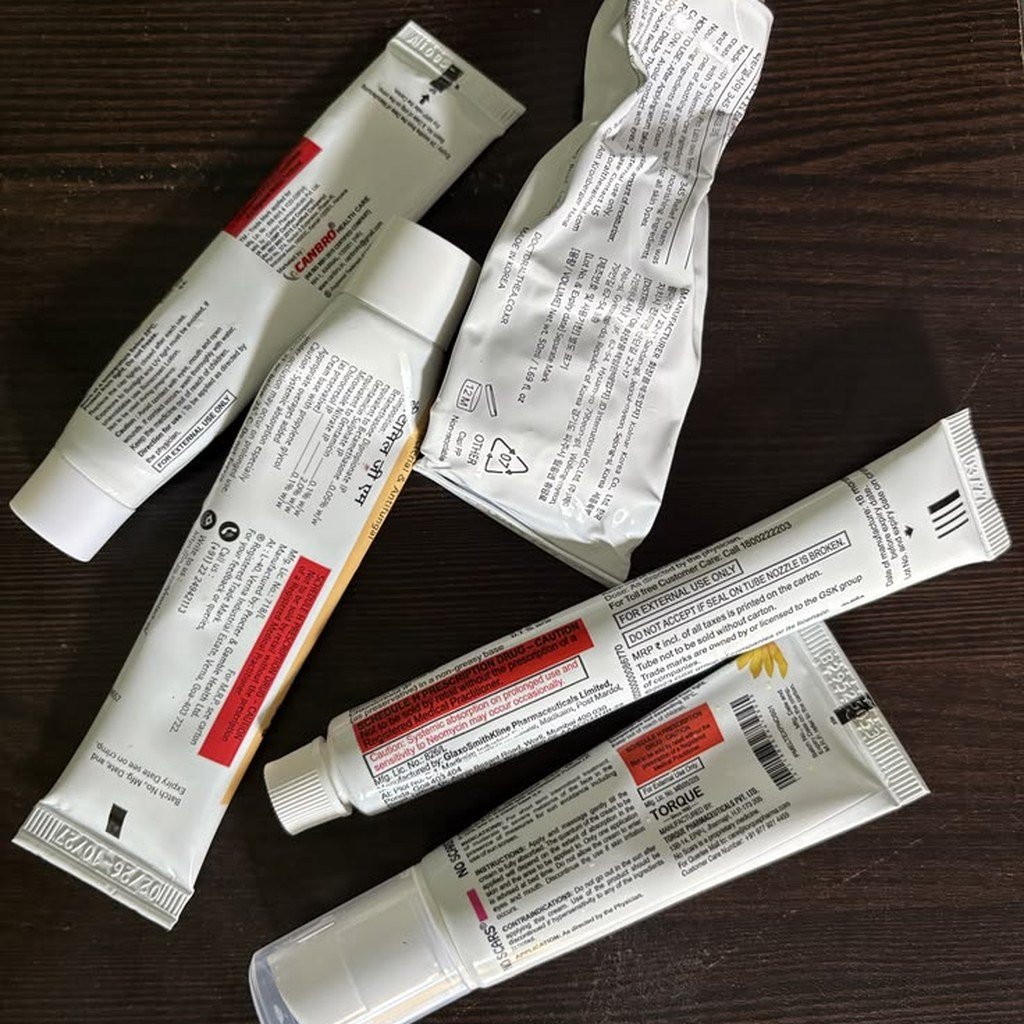
Back home, the same patient with the same eczema meets a different answer entirely, a mild steroid cream first, then a stronger one when that stops holding, then a stronger one again, and nobody mentions the plant because here the plant lives in the supplement aisle and the tube lives in the pharmacy, and the two worlds almost never meet.
I have sat across from the same woman over four years and handed her three rising strengths of the same drug, watched her skin grow a little thinner each time, and not once did the system I had trained into at home have a second idea to offer her, which is the kind of thing that stays with you long after the appointment ends.
So I went back to the question that the Japanese formulary had left in me and read properly, past the guidelines and into the work underneath them, trying to understand why a serious medical system would put licorice on a prescription pad at all, and the reason turned out to sit one layer under the skin, in something the body is already doing.
The body makes its own version of a steroid against a flare, a calm it produces itself called cortisol, and cortisol is what brings the redness and the itch down on its own before any cream is involved, which is the plain fact the whole thing hangs on.
The trouble in eczema skin is that an enzyme winds that cortisol down into an inactive form too early, before the calm has had the hours it needs to hold, so the flare climbs back almost as fast as it settled, and that is the quiet reason a cream quiets the skin for a day and you are back where you started by morning.
The compound in licorice root slows that enzyme, so the cortisol you already make stays active longer and keeps working, which is the honest reason it earned a place in a pharmacy over there instead of a spice rack, because it works on the calm the body already makes rather than laying a fresh drug on top.
This is not something I took on faith from a formulary, because a research team writing in the Lancet in 1990 found that enzyme in human skin and showed the licorice compound slowing it, and even made a mild steroid work harder in the skin they tested, and in a later six-centre trial of just under two hundred adults with eczema, that same compound taken by mouth alongside a steroid cream did better over twenty-eight days than the cream managed on its own, with the itch settling more.
I want to be careful with the next part, because it is the point people run past, that what Japan puts on a prescription pad is the compound in licorice root, which belongs to the plant and to no brand at all, and a supplement does not get prescribed by a health ministry, so I would never dress ours up as if it had been.
All our bottle does is carry that same licorice root in a form you can take by mouth at home, which is a very different claim from the one I just described, and I would rather say the smaller true thing than the larger one that sounds better.
That licorice root is what sits inside Liverty Dynamic Drops, alongside lemon balm for the nights the itch keeps you awake, with every plant printed openly on the label, and you take one dropper under the tongue at night and hold it there for half a minute, with a lemon taste rather than the chemical bite you brace for.
You keep the cream for a genuine flare, the way I still tell my own patients to, because a cream brings a bad day down faster than anything, and you add the drop for the reason the flare keeps returning, which is the one thing the tube was never built to touch.
When I began mentioning it to a few patients who had already climbed the strengths with me, the thing that came back first was almost always the nights, falling asleep without clawing at themselves and waking less to scratch, and I was careful to tell each of them that it builds slowly rather than arriving overnight.
In the first week most people simply sleep better, and over the next two or three weeks the new patches that follow a hard stretch begin to settle, and it is somewhere around the second month that the patches the cream clears stop coming straight back in the same spot, and sixty days is a fair stretch before you decide.
I am not writing this to tell anyone their doctor is wrong, because I am one of those doctors and the cream has its place, but I came home from a hospital where this plant was ordinary medicine to a country where the same skin only ever earns a stronger tube, and I never stopped thinking that was a strange gap to leave in front of people.
If it has only ever been a stronger tube for you, and no one ever told you the rest of the world treats this skin differently, you can read what the research actually says here: https://phoilex.com/pages/liverty-drops
A5 · THE PLANT THAT CALMED / ECZEMA BEFORE / CREAMS EXISTED
The oldest remedy

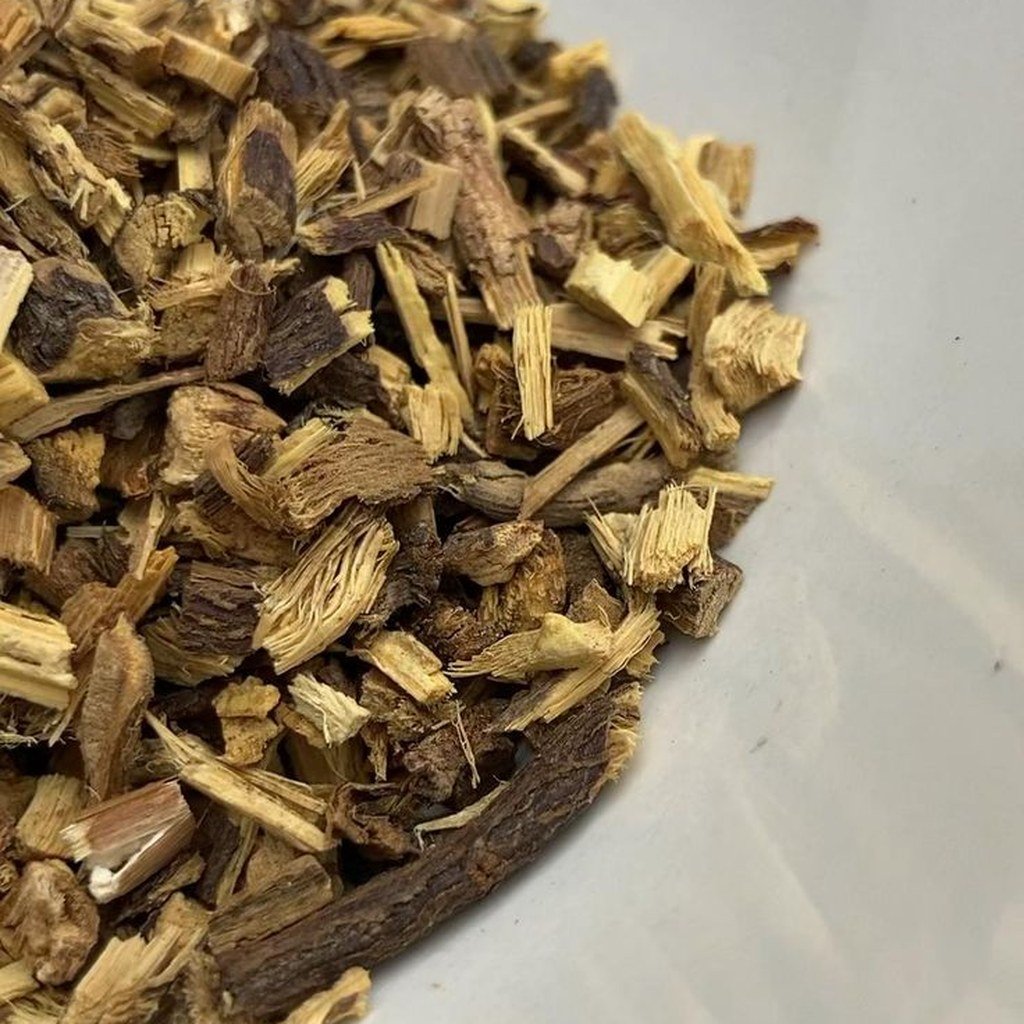



Long body (1037 words), as it runs live
The plant that calms eczema was calming inflamed skin for thousands of years before the first steroid cream was ever invented, and that one fact undid an assumption I had carried my whole life.
I am a lifelong eczema sufferer with no medical degree to my name, and late one bad winter, cracked and sore and out of patience, I got curious about where our actual options had come from, which is not a thing you usually stop to ask when you are just trying to get through a flare.
The steroid cream in my bathroom, it turned out, was first made in a laboratory in the middle of the last century, which genuinely surprised me, because the itch it treats is as old as people are, and it had never occurred to me that the thing I reached for was younger than my own grandparents.
For years I had quietly assumed that the newest cream on the shelf had to be the best one, the way we all assume newer means better, and so I had chased each reformulation and each clever new tube in turn, certain the answer was simply the latest thing I had not tried yet.
The deeper I read, the more that assumption fell apart, because the same plant kept turning up long before any of the creams, in places and eras so far apart from each other that it could not possibly be a coincidence.
Licorice root is one of the oldest medicines we have any record of, listed among the most prized remedies in the earliest Chinese herbal, the one that ranks it among its first-class remedies, and archaeologists found large amounts of it packed into Tutankhamun's tomb more than three thousand years ago, apparently for the sweet drink the Egyptians made from it.
And it never fell out of serious use, because in Japan a compound from that same root is still dispensed today for eczema and dermatitis, as a tablet with a doctor's name on it, which means it has travelled the whole distance from an ancient tomb to a modern formulary without ever being discarded.
A plant does not stay in the cabinet across that many centuries and that many cultures unless it keeps doing something real for the skin, which is a simple thought and a surprisingly stubborn one once it lodges, and it was the thought that stayed with me through the whole of that winter.
What it left me sitting with was the strange shape of the thing, that an entire industry had spent decades building a stronger and stronger version of a quick fix, while a plant that works with the body had been in plain sight the whole time, filed away in the supplement aisle and treated like a novelty rather than the oldest answer we have.
For most of that long history nobody could say why the plant worked, only that it did, which is usually where an old remedy quietly loses its credibility, until a research team finally caught it in the act.
Your body makes its own version of a steroid against a flare, a calm it produces itself called cortisol, and an enzyme in the skin normally winds that cortisol down into an inactive form once it has done its work, which is the quiet machinery the whole thing turns on.
Writing in the Lancet in 1990, that team found the enzyme in human skin and showed that the compound in licorice root slows it down, so the cortisol you already make stays active longer and keeps calming the skin, which means the oldest remedy turned out to be working with the body instead of overriding it, and that was the moment the whole history stopped looking like folklore to me.
It is not only old-book evidence either, because a later six-centre trial of just under two hundred adults with eczema found the same compound taken by mouth alongside a steroid cream did better over twenty-eight days than the cream managed on its own, with the itch settling more.
That licorice root is what sits inside Liverty Dynamic Drops, carrying lemon balm for the nights the itch keeps you awake and a few other calming plants, with every one of them printed openly on the label, which is the same root people have reached for across generations, simply in a form you can actually keep up with.
You take one dropper of the lemon-tasting oil under the tongue at night and hold it there for half a minute, and you keep the cream for a genuine flare the way I still do, adding the drop for the reason the flare keeps returning, which the newest tube on the shelf was never built to touch.
When I started talking about it with other people who had chased every new cream the last decade invented, the thing that came back first was almost always the nights, falling asleep without clawing at themselves and waking less to scratch, and I was always honest that it builds slowly rather than arriving overnight.
In the first week most people simply sleep better, and over the next two or three weeks the patches that follow a hard week start to settle, and it is somewhere around the second month that the ones the cream clears stop coming straight back in the same spot, and sixty days is a fair stretch before you decide.
The honest part is that I expected nothing when I started, because enough new tubes had let me down that I had stopped believing any of it, and it was the slow steadiness of this rather than any dramatic morning that eventually turned me around.
I am not writing this to tell anyone the modern cream is worthless, because it has its place and I still keep one, but I spent years chasing the newest thing on the shelf without ever once being told that the oldest thing had quietly been right all along.
If you have tried every new cream the last ten years invented and watched none of them hold, it may be worth meeting the plant that was calming this skin long before any of them existed: https://phoilex.com/pages/liverty-drops
B1 · THE ECZEMA FLARE / THAT FOLLOWS / A HARD WEEK
Stress travels to your skin down a nerve
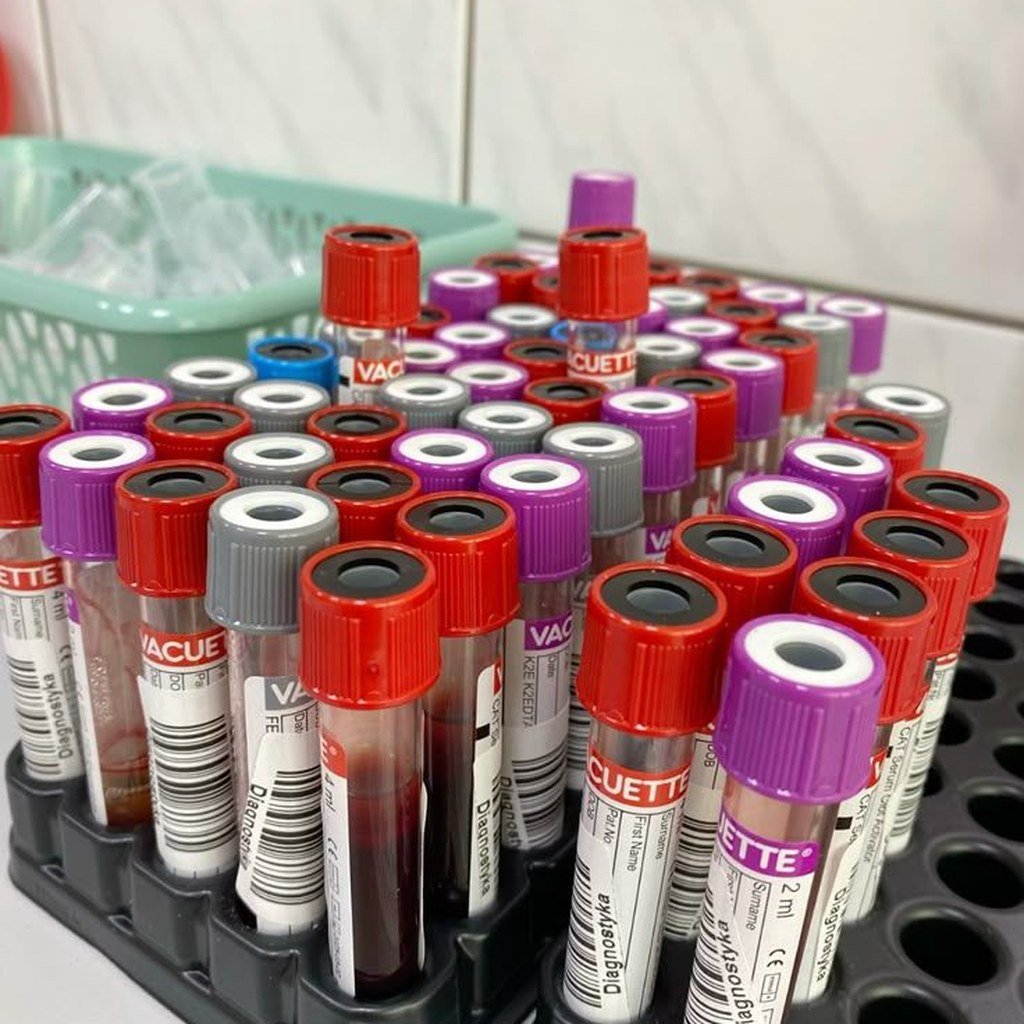



Long body (1018 words), as it runs live
The eczema flare that lands the week everything else goes wrong does not start in your head, it travels to your skin down a set of nerves, and nothing in the usual routine was ever aimed at that route.
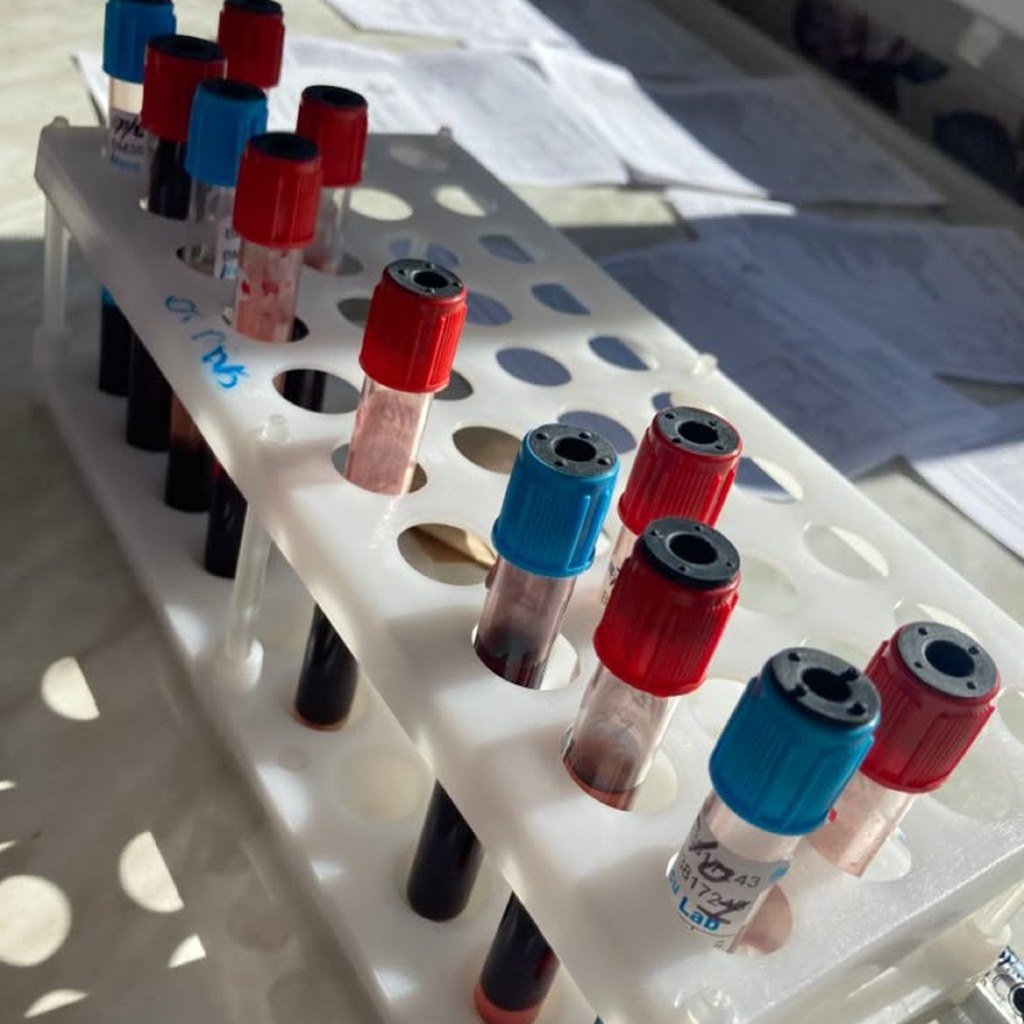
I run an allergy lab, and my work is counting cells on slides and reading the blood panels a clinic sends over, and one cell in particular has taught me most of what I understand about this, a cell called an eosinophil that shows up in inflamed, flaring skin in numbers you can actually count, which for a long time I thought of as something that arrived because of what a person had eaten or touched, a messenger of the outside world getting in.
The standard way we are all taught to think about eczema is that something out there sets it off, a food, a fabric, a detergent, and the whole job becomes hunting that something down, which is the logic behind every elimination diet and every patch test I have ever seen come through the lab.
Then a study came out that rearranged the picture for me, published by a university research team in 2026, which showed in mice that psychological stress fires a specific set of nerves running into the skin, and that those nerves pull inflammatory cells, the eosinophils I count all day, straight into the skin.
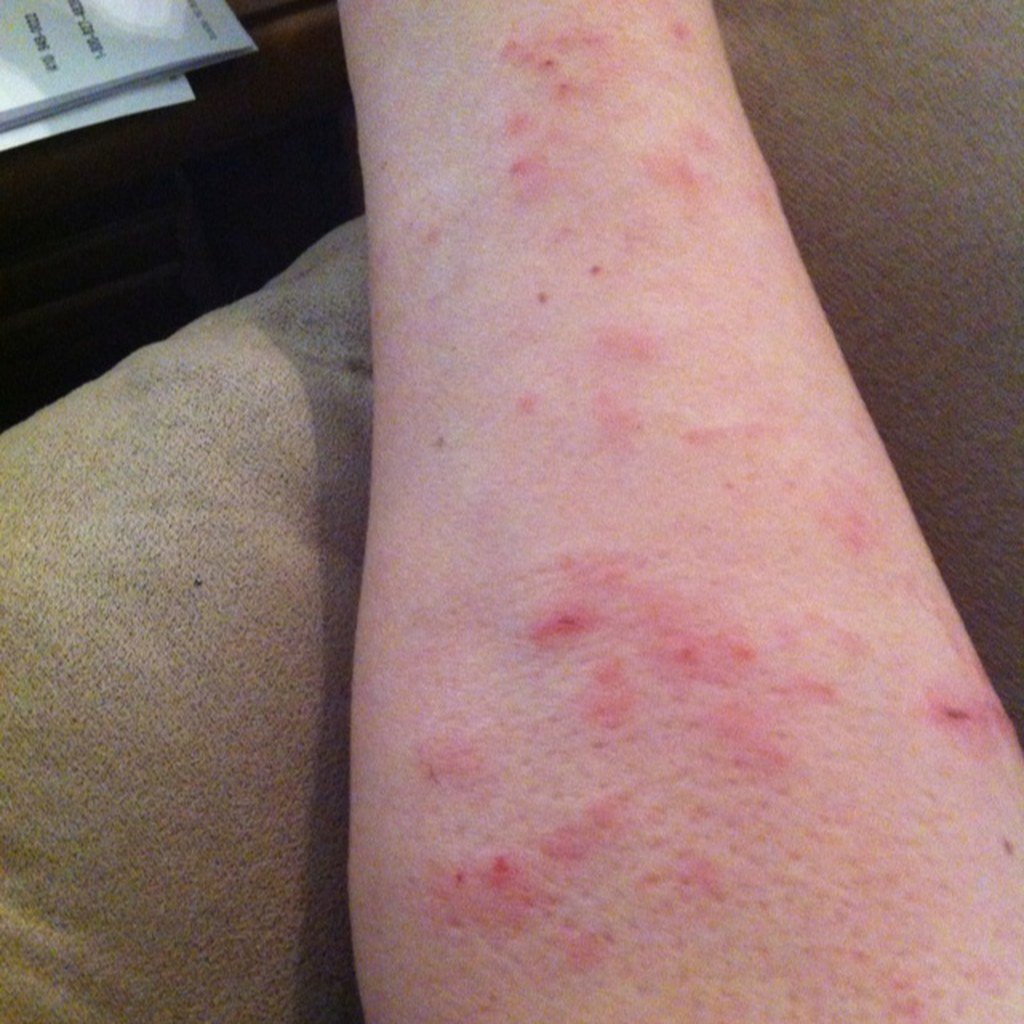
When the researchers removed those nerves or those cells, stress stopped making the skin worse, and when they fired the nerves on purpose, the skin flared with no other trigger at all, which was the first time I had ever seen the path drawn out so plainly, a hard week reaching the skin through a physical route rather than through a passing mood.
After that I started asking the people whose panels came through the lab when their skin had been at its worst, and the answer was almost never a new food, it was a deadline, a death in the family, a move, a stretch of nights with no real sleep, the hard weeks rather than the strange meals, which was the opposite of where I had always pointed them.
You already know this pattern even if you never had a name for it, because the week work goes sideways is the week your skin goes with it, and a national patient survey in 2020 found exactly that from the other direction, with people naming stress as the single biggest trigger of their flares, ahead of every food and fabric on the list, and for the women surveyed the figure ran higher still, above half of them.
Here is why that matters for everything you have ever tried, because every cream is rubbed on where those cells have already arrived, long after the fact, and every elimination diet only guesses at what might have come in through the mouth, and every trigger hunt sends you looking outside the body for a cause that was never out there to begin with.
None of the usual moves was ever aimed at the nerve the flare actually travels down, which is the plain reason a good month gets undone by one bad week and you are left certain you must have done something wrong, when the route it took was never anything you could have avoided by being more careful about your soap or your dinner.
That is the part the drops are built for, because the body's own calm against a flare is cortisol, and an enzyme in the skin winds that cortisol down, and in eczema skin it does so too early, so the calm that should settle a stressed week never gets the hours it needs to hold, which is the gap a hard week keeps widening.
The main compound in licorice root slows that enzyme, so the cortisol you already make stays active longer and keeps calming the skin, and a research team showed it slowing that enzyme in human skin in the Lancet back in 1990, while a later six-centre trial of just under two hundred adults with eczema found the same compound taken by mouth alongside a steroid cream did better over twenty-eight days than the cream on its own, with the itch settling more and fewer of them seeing the flare come straight back.
That compound sits inside Liverty Dynamic Drops alongside lemon balm, the old tea herb, which in a proper eight-week trial helped people sleep, so the bottle works on both halves of what a hard week does, the flare itself and the night it steals, with every plant printed openly on the label.
You take one dropper of the lemon-tasting oil under the tongue at night and hold it there for half a minute, and you keep the cream for a genuine flare while the drop works on the route the flare keeps taking in, which no tube was ever built to reach.
When I began mentioning it to a few people whose panels I already knew too well, the thing that came back first was almost always the nights, falling asleep without clawing at themselves and waking less to scratch, and I was careful to say every time that it builds slowly rather than arriving overnight.
In the first week most people simply sleep better, and over the next two or three weeks the patches that follow a hard week start to come less often, and it is somewhere around the second month that the ones the cream clears stop coming straight back in the same spot, and sixty days is a fair stretch before you decide.
I spent years counting the cells that a hard week draws into the skin without ever once being able to tell the people whose blood I was reading why their worst flares landed on their worst weeks, and that is a quiet thing to carry when the answer finally turns up in a journal.
If your skin has always flared the week everything else went wrong, and no one could ever tell you why, here is the part they left out: https://phoilex.com/pages/liverty-drops
B2 · THE 11PM ECZEMA / FLARE THAT STEALS / YOUR SLEEP
The 11pm flare (secondary loss, career-woman door)





Long body (786 words), as it runs live
The itch always came at eleven at night, the exact moment I finally sat down, and for years it was quietly stealing the one thing I could least afford to lose.
I run a demanding job and a household on top of it, and for a long stretch of my life the day did not really end until long after everyone else was asleep, so the itch learned to wait, holding off through the morning rush and the meetings and the school run and arriving only at eleven, the instant I stopped moving and there was nothing left in front of me to feel but my own skin.
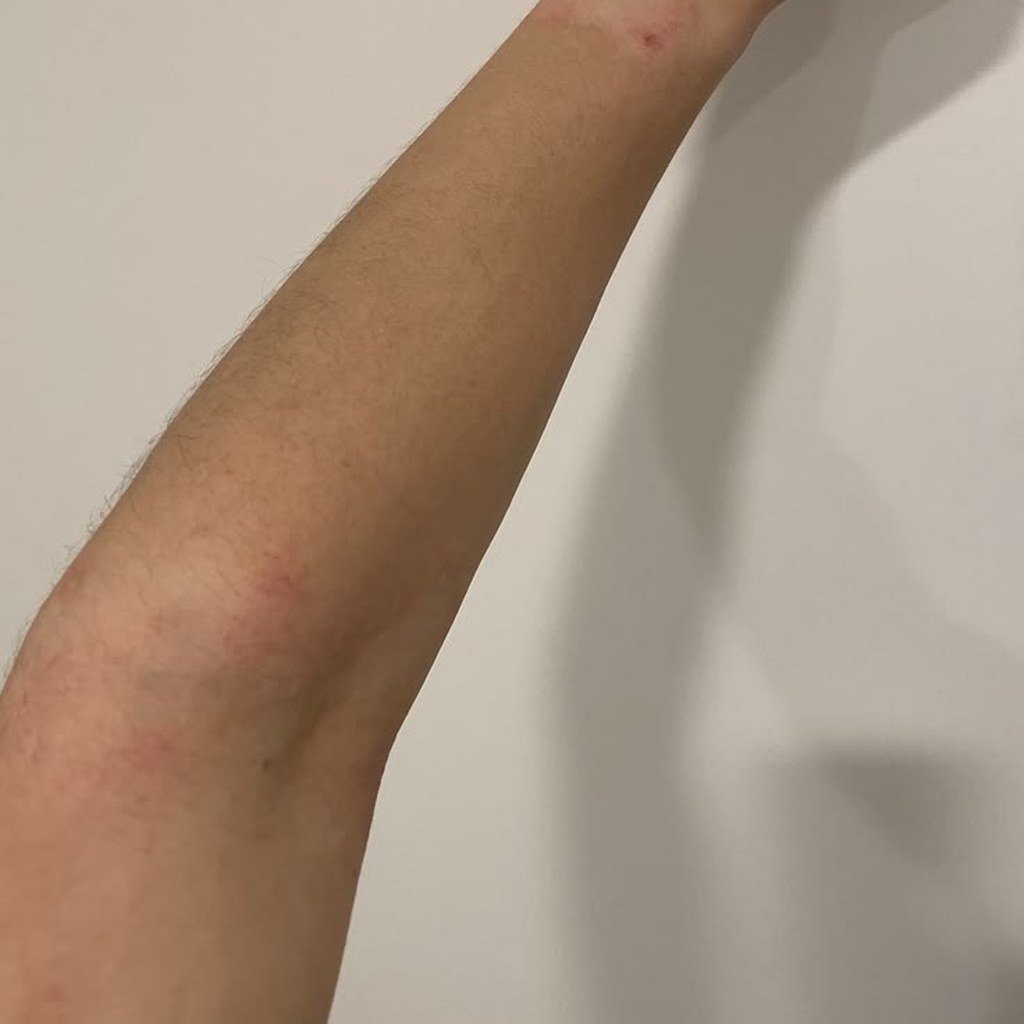
It would climb the insides of my arms and the backs of my knees, and I would lie there scratching in the dark, furious at my own body for choosing the exact hour I needed to be unconscious, and I would still be awake at one or two with the next day waiting a few short hours away.
I went into the office on four hours of sleep so often that I stopped even noticing it, until a colleague asked, carefully, whether I was unwell, and I realised the scratching had quietly been running my life for the better part of a decade without my ever once calling it that.
When you live like that, sleep is the thin thread holding the next day together, and eczema seems to understand exactly that, because it waits for the house to go quiet before it turns the volume up, as though it knows the night is where it can cost you the most.
For years I treated this as a failure of discipline, as if I simply needed to want rest more or manage my evenings better, and that framing was not only wrong, it kept me blaming myself for something that was never a matter of willpower at all.
What is actually happening under the skin is simpler than any willpower story, because a hard day does not stay in your head, it reaches the skin through a set of nerves, and on skin like mine those nerves fire easily, pulling the itch and the inflammation in behind them.
Part of the reason it lands at night is that there is finally nothing else competing for your attention, and part of it is that a whole day of pressure has been building the entire time with nowhere to go, so it cashes in at the worst possible hour.
A national patient survey in 2020 found people naming stress as the single biggest trigger of their flares, above every food and fabric on the list, and higher still for the women surveyed, which is simply the measured version of what the eleven o'clock itch had been telling me for years.
So the drops are built for both halves of that, because Liverty Dynamic Drops carry lemon balm, the old tea herb, which in a proper eight-week trial helped people sleep, and licorice root for the flare itself, with every plant printed openly on the label.
You take one dropper of the lemon-tasting oil under the tongue at night and hold it there for half a minute, and you keep the cream for the patch while the drop goes to work on the reason the itch keeps choosing the quietest hour of the day.
The main compound in licorice root works on the body's own calm, slowing the enzyme in the skin that turns cortisol off too early, so the calm you already make stays active longer, which a research team showed happening in human skin in the Lancet back in 1990.
None of it arrives overnight, and I would not tell you it does, because through the first week most people simply fall asleep more easily and wake less often to scratch, which is the half you tend to feel first and the half I noticed before anything else.
Over the next two or three weeks the patches that follow a hard week start to come less often, and it is somewhere around the second month that the ones the cream clears stop coming straight back in the same spot, and a fair read is to give it a full sixty days before you decide.
I am not writing this to promise you a miracle by morning, because the thing that finally helped me worked slowly and quietly, but it worked on the actual reason my worst hour was always the one right after I lay down.
If the worst hour of your day has always been the one right after you finally stop moving, this was written for you, and you can read the rest of it here: https://phoilex.com/pages/liverty-drops
B3 · THE ECZEMA ITCH / YOU CAN'T / RELAX AWAY
You cannot will it calm





Long body (968 words), as it runs live
The eczema itch is not something you can relax your way out of, and being told to try has probably cost you more than the itch itself ever did.
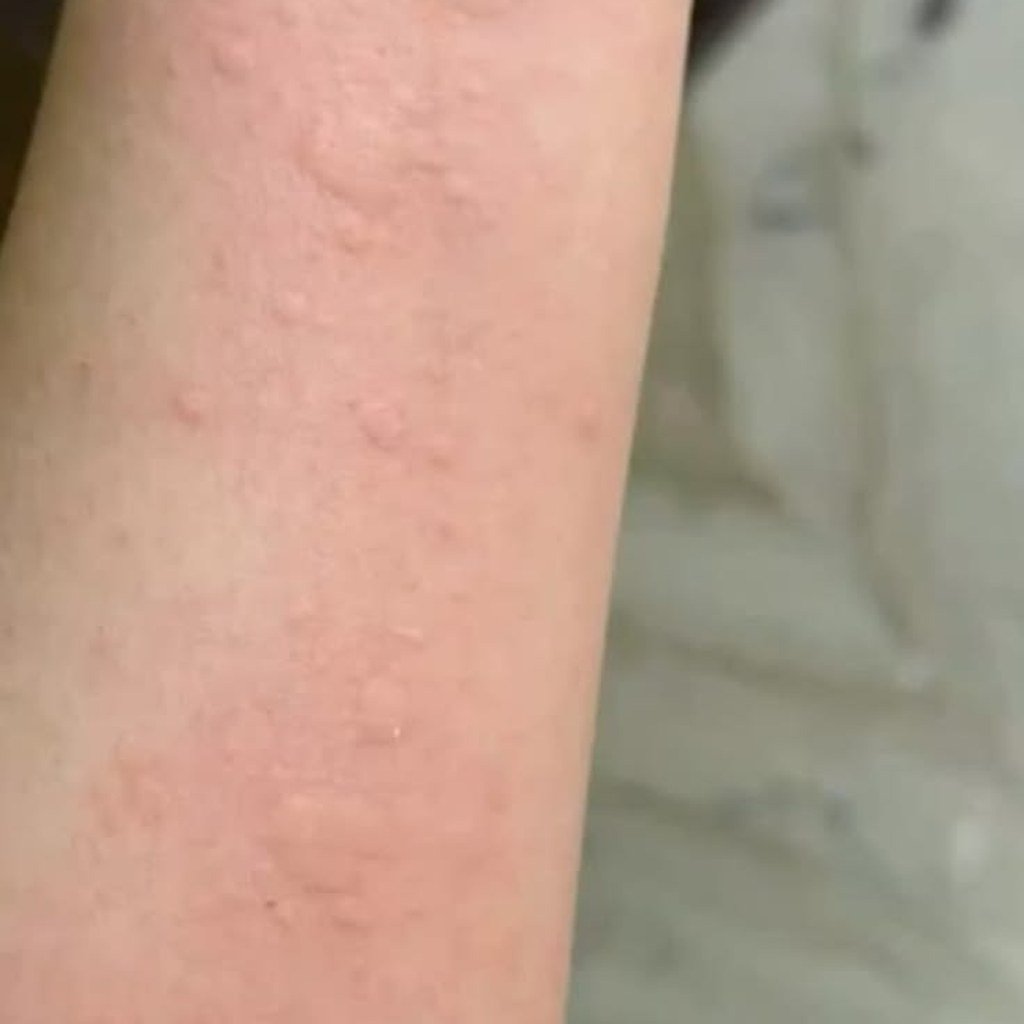
I tried to stay calm and I flared anyway, which is the plainest way I know to say it, and I tried in every way a person can be told to try, the breathing, the warm baths, the massage I could not really afford, the gratitude list by the bed, and I still woke up in the small hours clawing at my own arms.
The cruelest part of it was that I often flared worst during the calm stretches, the holidays and the slow weekends, the exact times when by every piece of advice I had ever been given my skin should finally have settled, and instead it chose those weeks to go to war.
For years I took that as proof that I was simply doing calm wrong, that other people had found some trick of serenity that I kept failing to learn, and the not-knowing wore a groove in me deeper than the raw skin ever did.
A doctor once suggested, kindly, that I look into therapy for my anxiety, as though the anxiety were producing the rash rather than the rash and the sleepless nights slowly producing the anxiety, and I went home feeling as though the problem had been quietly handed back to me with my own name written on it.
So I stopped waiting for the trick of serenity to arrive and started trying to understand what was actually happening, reading late into the night, skeptical of all of it, half-expecting to find nothing but the same advice dressed up in longer words.
But the thing I kept running into was too specific to wave away, and it took the guilt off me for good, because it turns out the flare does not wait for you to give it permission, and neither does the scratch.
A hard stretch fires a set of nerves that run into the skin, and those nerves pull the redness and the itch in behind them whether or not you meditated that morning, and the scratching itself is a reflex older than thought, so by the time you have decided not to scratch your hand is already moving.
You were never going to win a fight against a reflex your body runs on its own by trying harder to feel peaceful, which is a strange sentence to find comforting and yet it was the most comforting thing I had read in years.
That is exactly why the advice stung the way it did, because relax more was never a treatment at all, only a polite way of handing the problem back to me and quietly calling it a flaw in my character.
The more I read, the clearer it became that the old world understood this better than our wellness culture does, since when people needed to settle an inflamed, overreacting body they reached for a calming plant and let it do the part willpower could not, instead of lecturing themselves about serenity and keeping a running score of their own failures.
Calm, in other words, used to be treated as something you could take rather than a test of discipline you kept failing, and that difference turns out to matter a great deal when the thing you are trying to calm is a reflex you do not control and were never going to control by wanting it badly enough.
The plant that kept coming up was licorice root, whose main compound slows the enzyme in the skin that turns the body's own calm off too early, so the cortisol you already make stays active longer, which a research team showed happening in human skin in the Lancet back in 1990, and which a later six-centre trial of just under two hundred adults with eczema found, taken by mouth alongside a steroid cream, did better over twenty-eight days than the cream on its own, with the itch settling more.
So I finally tried something that did not ask me to think my way out of it, and the first thing I noticed was not my skin at all but the nights, falling asleep without clawing at myself and waking less to scratch, which after years of broken nights felt almost suspicious.
What I take is Liverty Dynamic Drops, one dropper of a lemon-tasting oil held under the tongue at night, carrying lemon balm, the old tea herb used to settle the night, along with that licorice root for the flare itself and a few other calming plants, with every one of them printed openly on the label.
You keep the cream for the patch the way I still do, and you add the drop for the flare you were never able to think your way out of, which is the one part of this that no amount of trying harder to be calm could ever reach.
When I started talking about it with other people who had spent years being told to just relax, the same shape kept coming back, nights that finally held and skin that eased from somewhere far below where any lecture about stress had ever reached.
None of it happened overnight, and over the next few weeks the patches that follow a hard stretch started to come less often, and it was somewhere around the second month that the ones the cream clears stopped coming straight back in the same spot, so a fair read is a full sixty days before you decide.
If every person in your life has told you to just relax, and every time you tried you flared anyway, the reason is finally something you can point to instead of carry: https://phoilex.com/pages/liverty-drops
C1 · YEARS OF ECZEMA CREAM / THINNED THE SKIN / IT CALMED
Twelve years on the cream



Long body (1093 words), as it runs live
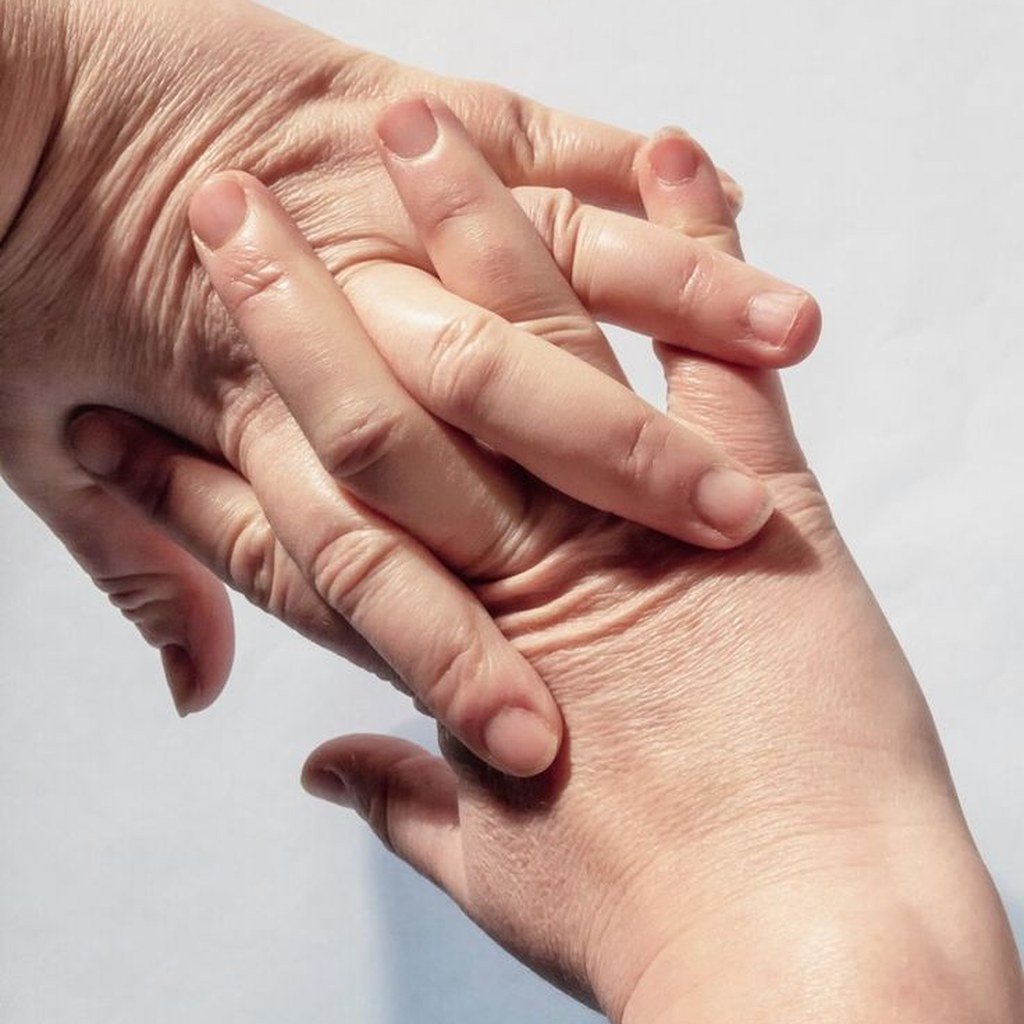
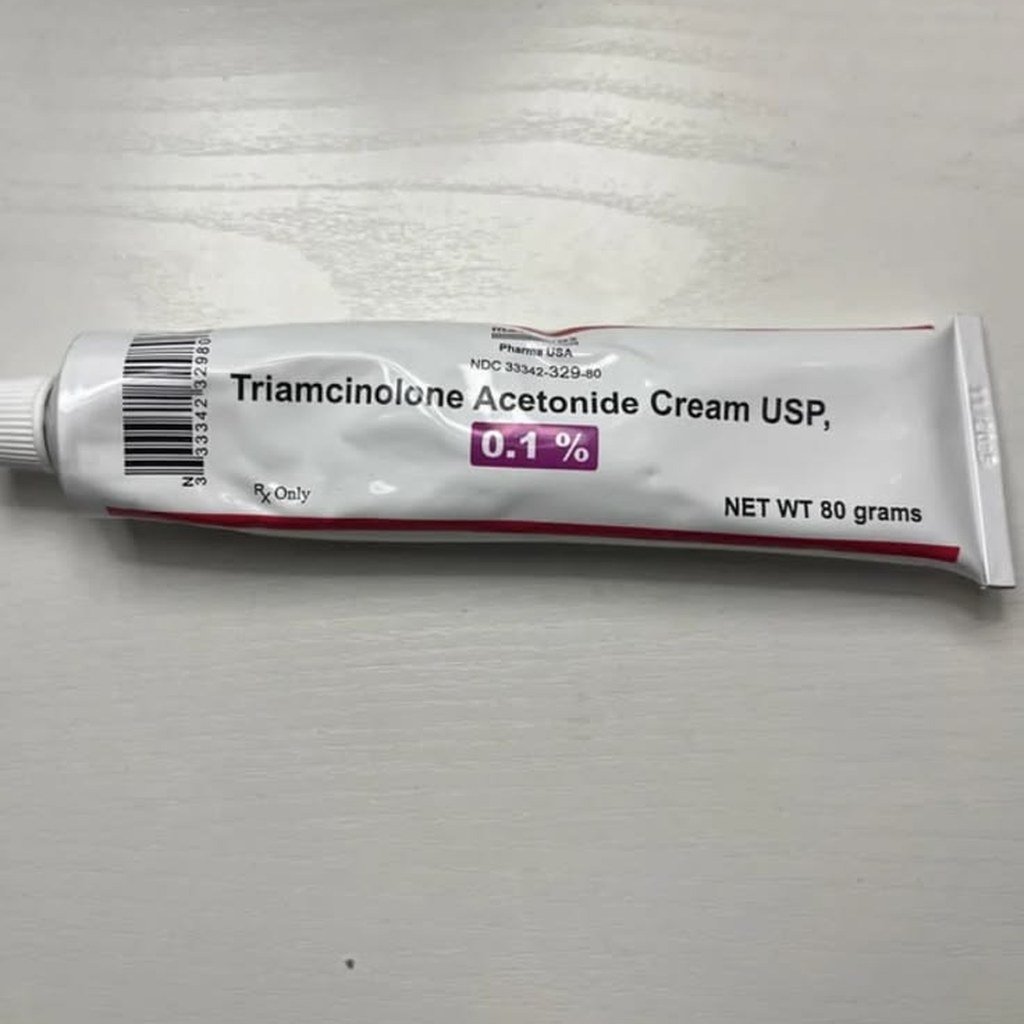
The tube of steroid cream that calmed each flare was quietly thinning the skin underneath the whole time it was working, and I have spent years dressing the skin that thinned too far.
I am a wound-care nurse, and my working days are given over to the skin that has been pushed past what it can take, the tears and the bruises and the slow-healing patches, and a share of that skin belongs to people who have been on a strong steroid cream for years, which for a long time I did not connect to the cream at all, because the two never seemed to arrive in the same conversation.
The standard story we are all handed is that a steroid cream calms eczema and you use it as needed, which is true as far as it goes, and it goes exactly as far as the surface and no further, which is a thing you only learn by handling what is left after years of it.
What began to bother me was how consistent the skin was, how I could often guess the history before anyone told me, the forearms gone thin enough to see the small vessels through, the skin that bruised if you looked at it wrong, the burning when someone finally stopped the cream that was often worse than the flare they had started with.
There was one woman whose dressings I changed for weeks, who had used a potent cream on the same patches for the better part of a decade, and when she stopped it her skin turned bright red and raw in a way that frightened her far more than the eczema ever had, and she asked me why no one had told her the cream could do this, and I did not have a good answer for her.
So I went looking for one, late after shifts, reading past the leaflet in the box and into the actual studies, because I wanted to understand what a strong cream does to the structure of skin over years and why no one seemed to say it out loud.
What I found was plain enough once it was in front of me, that a potent steroid cream slows the skin's own rebuilding even as it calms the flare on the surface, and in one careful study a strong cream used twice a day for a single week cut the skin's collagen production by about two-thirds in healthy volunteers.
Collagen is simply the thing that keeps skin thick and springy and able to take a knock, so cutting its supply week after week and year after year is the quiet machinery behind the papery forearms I spend my days bandaging, and it is exactly why people are told to use these creams only for short stretches.
I want to be fair to the cream, because it is not a villain on a bad day and I would never tell anyone to throw it out, since it brings a flare down faster than almost anything I know and there are days you will still want it, which is a little like keeping a strong painkiller in the house without wanting to live on it.
The real trouble is that the cream was never built to work on the reason the flare keeps coming back, so you end up reaching for it again and again, and the thinning adds up with every tube while the thing underneath goes on untouched.
That reason underneath was the part missing from every conversation I had ever had on a ward, because the body makes its own calm against a flare, a steroid of its own called cortisol, and in eczema skin an enzyme winds that cortisol down too early, so the flare keeps returning for a cause the cream was never aimed at.
When I went looking for anything that worked on that cause rather than on the surface, the thing that kept turning up was a plant, because the main compound in licorice root slows that very enzyme, so the cortisol you already make stays active longer and keeps calming the skin, and a research team showed it slowing that enzyme in human skin in the Lancet as far back as 1990, while a later six-centre trial of just under two hundred adults with eczema found that same compound taken by mouth alongside a steroid cream did better over twenty-eight days than the cream on its own.
The sense of it, for someone who handles thinned skin all day, is almost too neat, that you keep the cream for a flare and add something that works on the cause without rubbing one more thing onto skin that is already growing fragile.
That compound is what sits inside Liverty Dynamic Drops, alongside lemon balm for the nights the itch keeps you awake, with every plant printed openly on the label, and you take one dropper under the tongue at night and hold it there for half a minute, with a lemon taste rather than a chemical one, so nothing new goes onto the skin and nothing adds to the thinning.
You keep the cream for a genuine flare, the way I still would, and you add the drop for the cause the cream cannot reach, which is the one thing years of tubes never once worked on.
When I began mentioning it to a few people whose dressings I was changing, the thing that came back first was almost always the nights, falling asleep without clawing at themselves and waking less to scratch, and I was careful to tell each of them that it builds slowly rather than arriving overnight.
In the first week most people simply sleep better, and over the next two or three weeks the new patches that follow a hard stretch come less often, and it is somewhere around the second month that the patches the cream clears stop coming straight back in the same spot, and sixty days is a fair read before you decide.
I am not writing this to frighten anyone off a cream they need, because I have handed out plenty of them and would again, but I have spent too long bandaging the skin that years of the tube left behind without anyone ever telling those people what it was doing underneath.
If you have been on the tube for years and were never once told what it was quietly doing to the skin beneath the flare, you can read the rest of it here: https://phoilex.com/pages/liverty-drops
C2 · THE STEROID CREAM / THINS AND AGES / YOUR ECZEMA SKIN
It thins and ages your skin (vanity door)



Long body (1089 words), as it runs live
The steroid cream you trusted to take the redness down has been quietly thinning and aging the very skin you were trying to save.
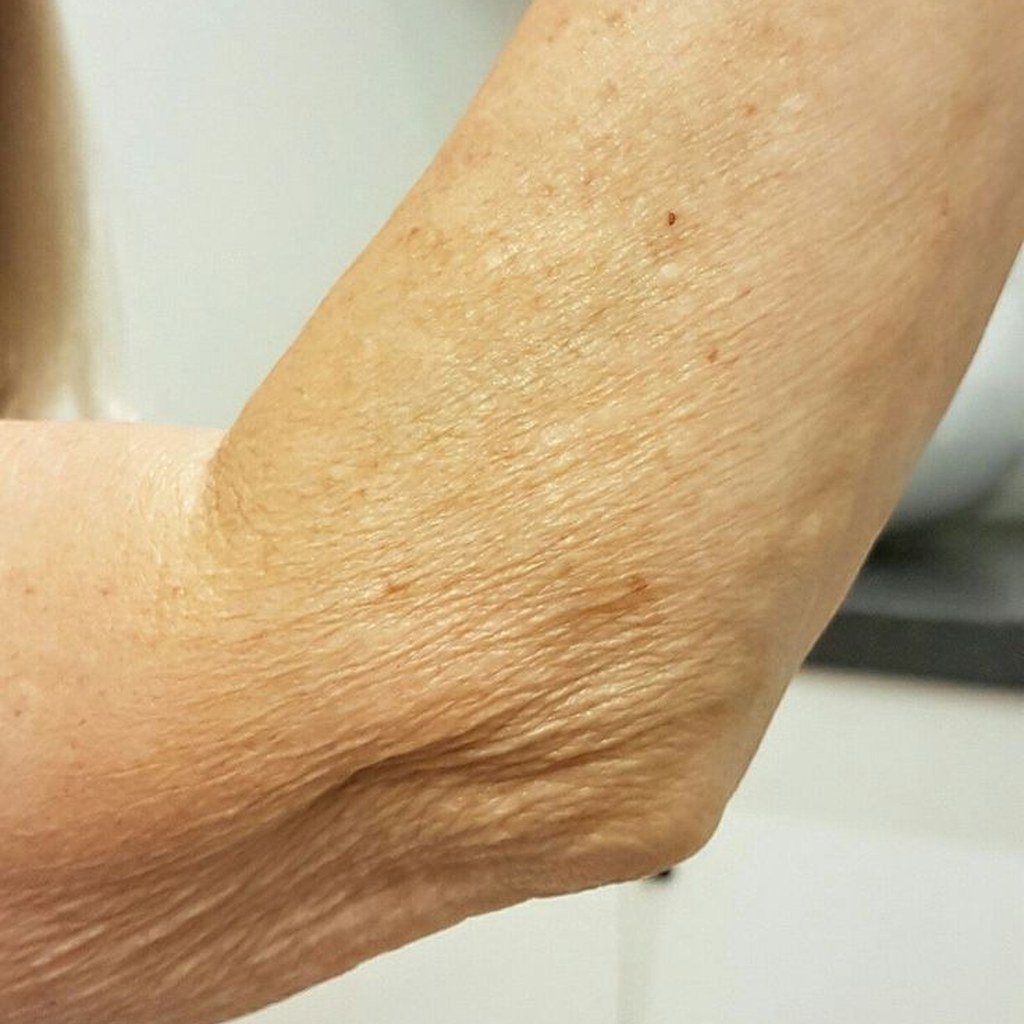
I have worked as a skin therapist for a long time, with my hands on other people's skin all day, and after enough years you learn to read a history in the skin itself, because a certain kind of thinning tells me a client has been on a strong steroid cream for a while, and I can often guess it before they say a word, from the fine crinkled lines where the cream went on most often, thin as cigarette paper, which happens to be the exact phrase the dermatologists use for it.
The picture is consistent enough to be almost a signature, the small vessels that become visible through skin gone too thin, the faint stretch marks that in this case do not fade because once the skin is marked that way it tends to stay marked, all of it sitting precisely where the cream was used hardest.
Most of my clients have no idea the cream did any of it, which is the part that bothers me most, because they come in certain they are simply aging badly in one strange patch of their body and ready to blame themselves for it.
One woman told me she had stopped wearing short sleeves, and not because of the eczema any longer but because the skin on her forearms had gone crepe-like and bruised where she had treated it the most, and nobody along the way had ever warned her that the cream itself could do that, so she had spent years quietly ashamed of a thing that was never her own doing.
After enough of those conversations I wanted to understand it properly rather than from what I could see on the surface, so I read past the marketing and into the actual studies on what a strong steroid does to the structure of skin, because telling a client the truth means first knowing it yourself.
What I found explained everything my hands had been noticing, that a potent steroid cream slows the skin's own rebuilding, and in one careful study a strong cream used twice a day for a single week cut the skin's collagen production by roughly two-thirds in healthy volunteers.
Collagen is simply the thing that keeps skin thick and springy and young, so cutting its supply week after week and year after year ages the skin faster in the exact places you were treating, which is the quiet machinery behind the crepe-like forearms and the thinned faces I see, and it is exactly why people are told to use these creams only for short stretches.
I am not here to tell anyone the cream is useless or to throw it away, because it does bring a flare down faster than almost anything, and there are days a client genuinely needs it, which is a little like a strong tool you are glad to own and would never want to use every single day of your life.
The real trouble is that the cream was sold to calm the redness and it did, while quietly aging the skin to do it, because it was never built to work on the reason the flare keeps coming back, so people reach for it again and again and the thinning adds up with every tube.
That reason underneath is the part no appointment ever seemed to reach, because the body makes its own calm against a flare, a steroid of its own called cortisol, and in eczema skin an enzyme winds that cortisol down too early, so the flare keeps returning no matter how carefully the surface is treated.
When I went looking for something that worked on that cause from the inside rather than one more thing rubbed onto skin I was trying to protect, the thing that kept coming up was a plant, because the main compound in licorice root slows that very enzyme, so the cortisol you already make stays active longer and keeps calming the skin, and a research team showed it slowing that enzyme in human skin in the Lancet back in 1990, while a later six-centre trial of just under two hundred adults with eczema found that same compound taken by mouth alongside a steroid cream did better over twenty-eight days than the cream on its own.
The sense of it, for someone whose whole trade is the look and feel of skin, is that you can work on the cause without ever adding to the thinning, because nothing new has to touch the surface at all.
That compound is what sits inside Liverty Dynamic Drops, alongside lemon balm for the nights the itch keeps you awake, with every plant printed openly on the label, and you take one dropper under the tongue at night and hold it there for half a minute, with a lemon taste rather than a chemical one.
You can still keep the cream for a genuine flare while the drop works on the cause, and nothing new touches the skin you are trying so hard to protect, which is the whole point for anyone who has watched their own skin thin under the thing meant to help it.
When I began mentioning it to a few clients who had the telltale thinning, the thing that came back first was almost always the nights, falling asleep without clawing at themselves and waking less to scratch, and I was careful to tell each of them that it builds slowly rather than arriving overnight.
In the first week most people simply sleep better, and over the next two or three weeks the new patches that follow a hard stretch come less often, and it is somewhere around the second month that the patches the cream clears stop coming straight back in the same spot, and sixty days is a fair read before you decide.
I am not writing this to shame anyone for the cream in their cabinet, because I understand exactly why it is there, but I have spent too many years with my hands on skin that the tube quietly aged while nobody warned the person it was happening to.
If you have watched the skin where you used the cream longest go thin and lined before its time, there is a way to work on this that does not cost you any more of it, and you can read about it here: https://phoilex.com/pages/liverty-drops
C3 · THE MOISTURIZER TREADMILL / YOUR ECZEMA / FINALLY LEAVES
The moisturizer treadmill

Long body (973 words), as it runs live
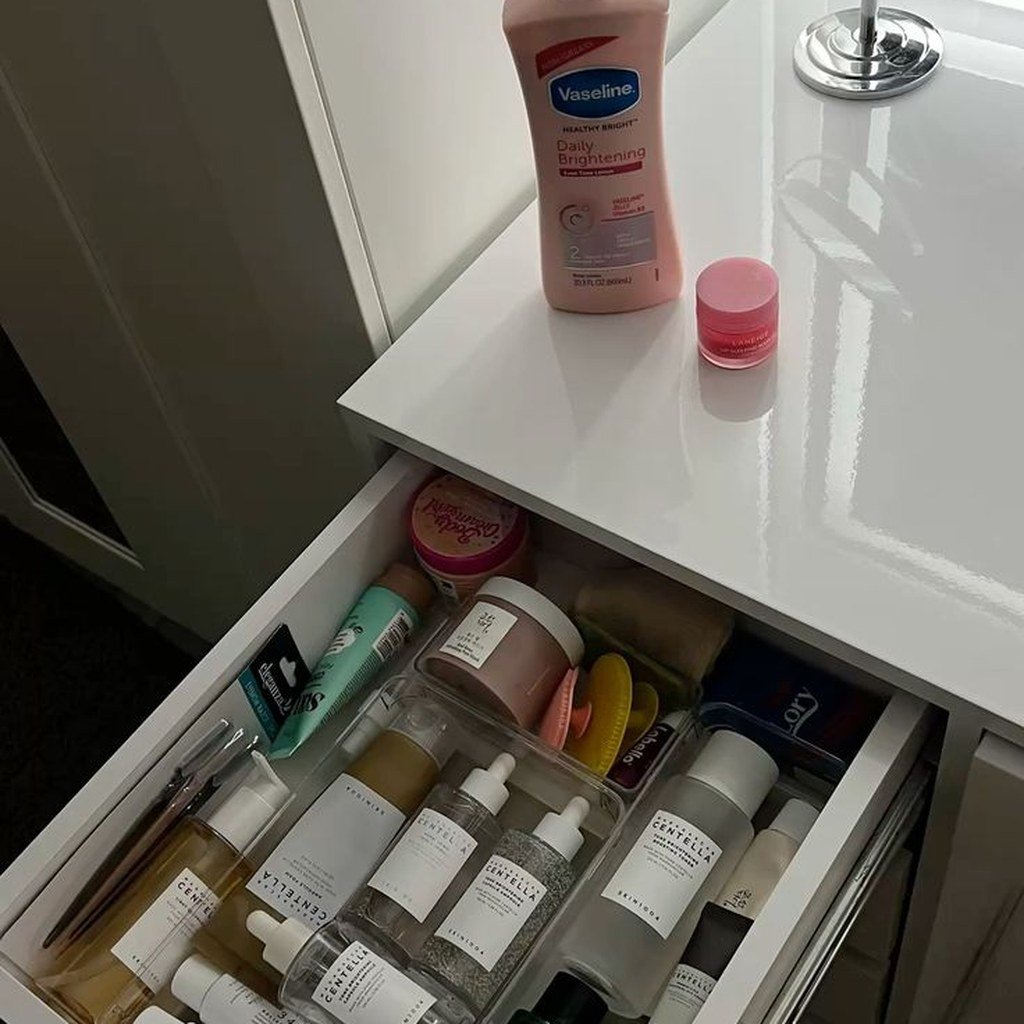
There is a drawer in my bathroom that tells the whole story of my eczema, and getting off the moisturizer treadmill is the reason that drawer no longer runs my days.
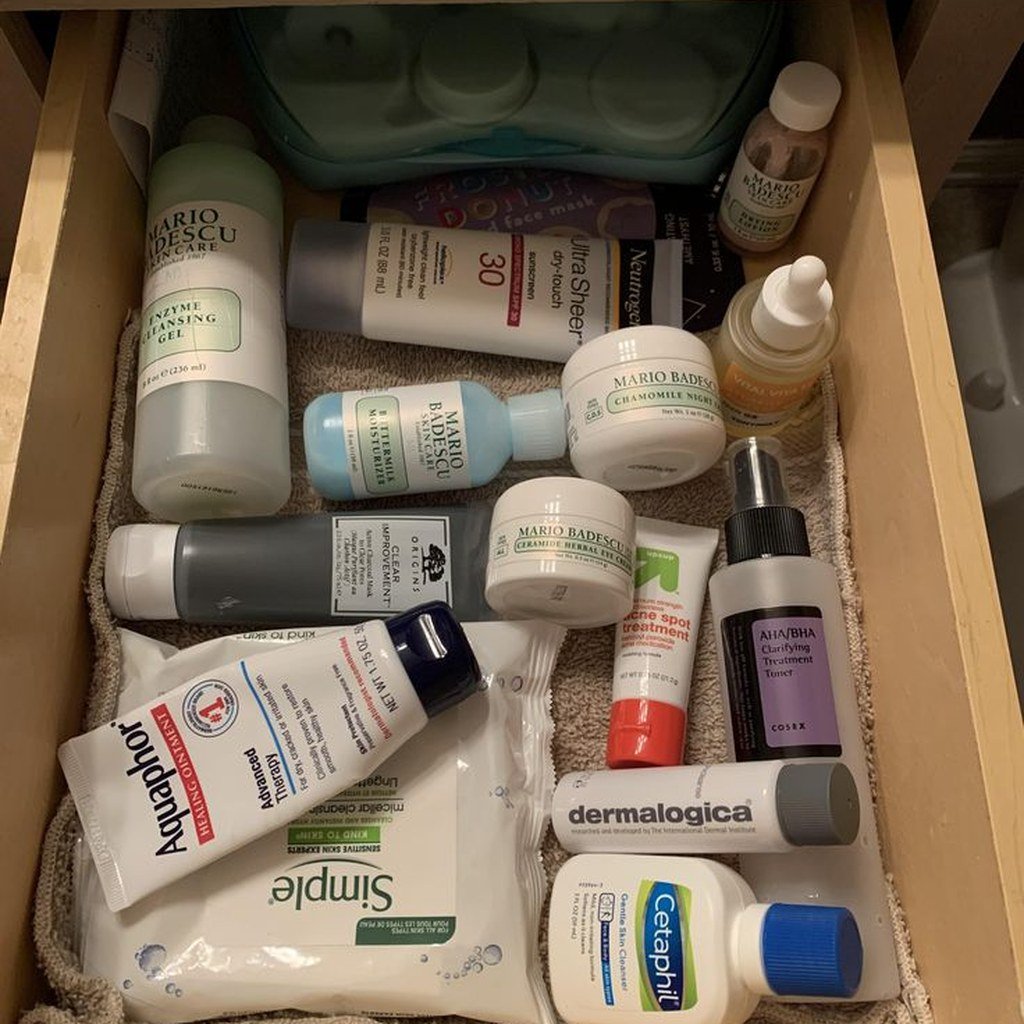
The drawer is full of jars, the expensive barrier cream, the tub of ointment the pharmacist swore by, the oatmeal lotion, the thick one a friend brought back from abroad because it had cleared her sister's hands, and every one of them worked for a few hours and sent me back to the sink before the afternoon was out.
For years I believed the answer was simply the next jar, a richer formula or a better routine applied more faithfully, and all the while I was running hard and standing perfectly still, convinced that the problem was only that I had not yet found the right one.
I kept a tube in the car and one at my desk and one on the nightstand, and I timed my whole day around when the next layer was due, the way other people time their medication, reapplying at the first tightening and bracing for the moment it would wear thin again.
The low point was not a dramatic flare so much as the slow realization of how much of my life the jars had quietly taken, how many minutes a day went to the ritual and how many thoughts went to whether I had remembered it, all for a result that never lasted past lunch.
At some point I got tired enough of running to actually stop and look it up, skeptical of everything by then, half-expecting to find only more of the same advice about drinking water and switching detergents.
What I found instead finally explained the treadmill, because a moisturizer seals the surface so that less water escapes, and for a few hours the skin does feel calmer, which is real and genuinely worth having, and I am not going to pretend otherwise.
But sealing the surface is not the same as settling whatever keeps making the skin flare underneath, and the more I leaned on the jar the more I was only ever managing the top layer and never once touching the reason the flares kept coming, which is the whole shape of the treadmill, more cream and the same skin under it, back at the sink an hour later.
The thing underneath turned out to be something I could actually work on, because the body makes its own calm against a flare, a steroid of its own called cortisol, and in eczema skin an enzyme winds that cortisol down too early, so the flare keeps returning no matter how well you seal the surface against it.
The main compound in licorice root slows that very enzyme, so the cortisol you already make stays active longer and keeps calming the skin, which is the step every jar in that drawer was missing, and it is the reason adding it is what finally let me step off the treadmill rather than simply buy a better pair of shoes for it.
I did not take that on faith either, because a research team showed the licorice compound slowing that enzyme in human skin in the Lancet back in 1990, and a later six-centre trial of just under two hundred adults with eczema found the same compound taken by mouth alongside a steroid cream did better over twenty-eight days than the cream on its own, with the itch settling more.
So I tried it, half-expecting another jar's worth of disappointment, and the first thing I noticed was not the patches but the nights, falling asleep without reaching for a layer first and waking less to scratch, which after years of the timed routine felt strange and quiet.
What I take is Liverty Dynamic Drops, one dropper of a lemon-tasting oil held under the tongue at night, carrying that licorice root along with lemon balm for the nights the itch keeps you up and a few other calming plants, with every one of them printed openly on the label.
You can still moisturize when the skin is genuinely dry, the way I sometimes do, but you are no longer depending on a jar to do a job it was never able to do, which is the difference between reaching for a cream and living at the mercy of one.
When I started talking about it with other people who had their own drawer full of half-used jars, the same shape kept coming back, nights that finally held and skin that eased from somewhere deeper than any lotion had ever reached, and more than one of them described simply forgetting to reapply for the first time in years.
None of it arrived overnight, and over the next two or three weeks the patches that follow a hard week came less often, and it was somewhere around the second month that the patches that used to clear and return stopped coming straight back in the same spot, so a fair read is a full sixty days before you decide.
The quiet milestone, the one I never saw coming, was a whole afternoon that went by without a single trip to the sink, which after years of timing my life around the next layer felt like getting a part of the day handed back to me.
I am not writing this to tell anyone to throw their moisturizer away, because there is a place for it on a dry day, but I spent far too long believing the next jar was the answer when the thing that actually freed me was never in a jar at all.
If you have a bathroom drawer like mine, and you are tired of running to the sink an hour after the last layer, here is how the treadmill finally ends: https://phoilex.com/pages/liverty-drops
C4 · THE ECZEMA CALM / THAT HOLDS WHEN / THE CREAM QUITS
Worked then stopped (rebound)



Long body (1097 words), as it runs live
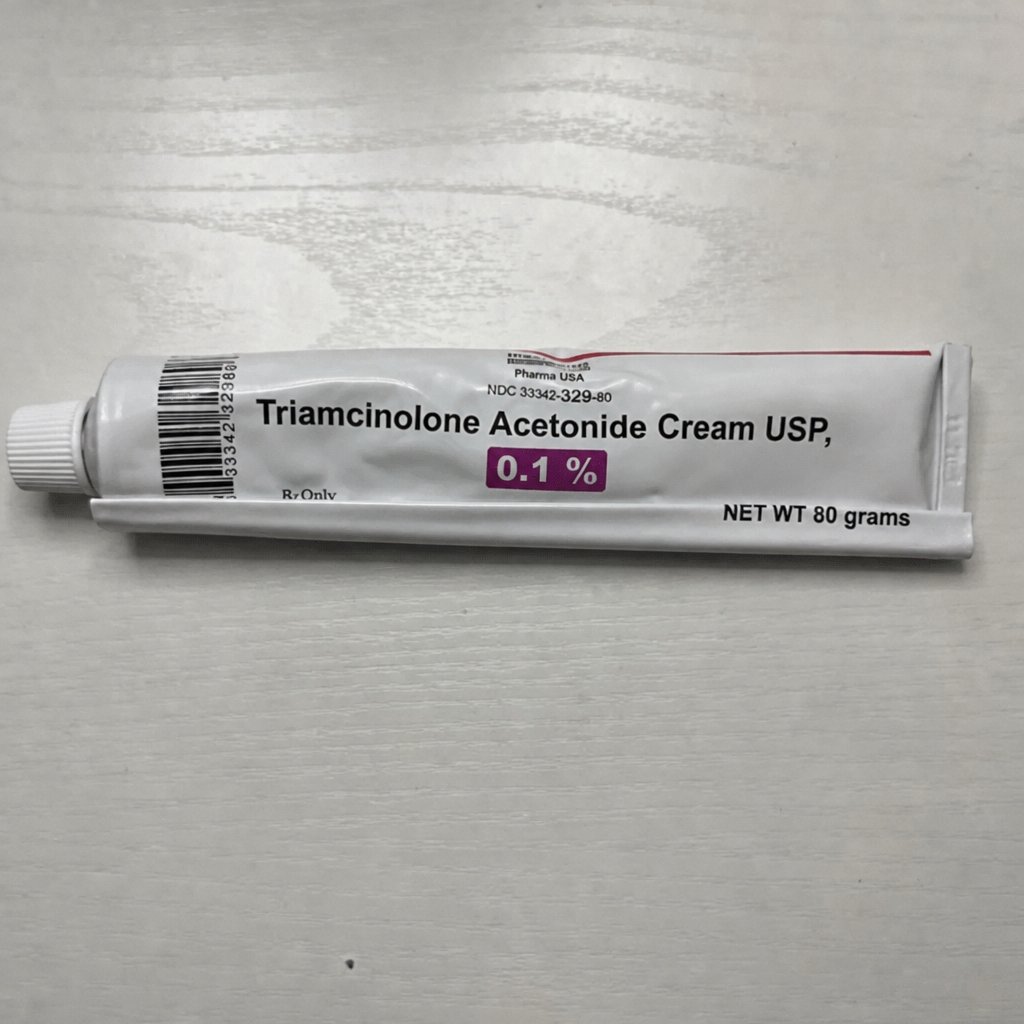
There is a kind of calm that holds after the steroid cream quits, and for years I did not believe such a thing existed, because the only calm I knew was the kind that drained away the moment the tube came off.
For most of my adult life I believed the cream was simply the answer to my eczema, and for a long time it behaved like one, settling a flare within a few days so the skin cleared and I could breathe again, and I trusted it the way you trust anything that works when you are desperate.
The story I had been handed was almost that simple, that eczema flares and a steroid cream calms it and you repeat as needed, and I repeated as needed for years without ever asking why the needing never stopped.
What began to bother me was that the cream seemed to be losing its grip, that the same tube on the same patch did less than it used to and the clear stretches got shorter, until one winter it felt as though my skin had simply given up on me, and I decided my body was the thing that had failed.
I remember the exact flare that broke my faith in it, a patch on the inside of my elbow that had always answered within days and suddenly would not, no matter how faithfully I used the cream, and I lay awake that night certain I had worn out whatever the cream was supposed to do and that there was nothing left to try.
For a long while before that I did what almost everyone does, which is to assume the fault was mine, that I had not used it often enough or early enough or had somehow built up a resistance to it through my own carelessness, and I carried that quietly as one more private failure on top of the skin itself.
So I became a little obsessed, the way you do when the one thing that worked stops working, and I stopped simply trusting the explanation I had been given and started reading late into the night, looking for why a cream that once worked would seem to quit on a person.
What I finally understood was quieter and far less personal than my body giving up, because a steroid cream does not add calm so much as borrow it, laying a copy of cortisol, the body's own calming steroid, onto the surface, and for as long as it sits there the skin stays quiet.
The moment it wears off the borrowed calm is gone, and underneath nothing has changed, because in eczema skin an enzyme winds the body's own cortisol down too early, so the flare climbs right back the day the cream wears thin, which is the whole of the mystery I had been blaming on myself.
Lean on that borrowing long enough and the skin seems to need more of it to reach the same quiet, which is exactly what it felt like when a cream that had always worked seemed to stop, and once I saw it that way I stopped thinking of myself as a lost cause and started asking a better question.
The better question was never how to find a stronger cream, which only borrows more and pays it back faster, but how to keep the calm from draining away the instant the cream came off, which is a different problem entirely and one no tube is built for.
The thing that finally answered it turned out to be a plant, because the main compound in licorice root slows that very enzyme, so the cortisol you already make stays active longer and the calm holds on its own with nothing to wear off, and that was the one thing the cream could never do for me, because a borrowed calm always has to be paid back.
I did not take that on faith, because a research team showed the licorice compound slowing that enzyme in human skin in the Lancet back in 1990, and a later six-centre trial of just under two hundred adults with eczema found the same compound taken by mouth alongside a steroid cream did better over twenty-eight days than the cream on its own, with the itch settling more and fewer of them seeing the flare come straight back.
It is not a fringe idea either, because in Japan that same compound from licorice is dispensed as a prescription for eczema and dermatitis, which is a strange place to find a plant most people here keep in a kitchen drawer, and it tells you how far this sits from a wellness fad.
That compound is the reason I now take Liverty Dynamic Drops, one dropper of a lemon-tasting oil held under the tongue at night, carrying the licorice root along with lemon balm for the nights the itch keeps me up and a few other calming plants, with every one of them printed openly on the label.
I did not throw the cream away and I would not tell you to, because I still keep one for a genuine flare the way I always did, and the difference now is that the drop is quietly working on the reason the flare kept coming straight back, which the cream was never able to touch.
When I started talking about it with other people who had watched a once-reliable cream seem to fail them, the thing that came back first was almost always the nights, falling asleep without clawing at themselves and waking less to scratch, and I was always honest that none of it happens overnight.
In the first week most people simply sleep better, and over the next two or three weeks the new patches that follow a hard stretch come less often, and it was somewhere around the second month for me that the patches the cream clears stopped coming straight back in the same spot, and sixty days is a fair stretch to give it before you decide.
The honest part is that I stayed skeptical for a good while, because enough bottles had let me down that I expected nothing, and it was the slow steadiness of it rather than any single dramatic morning that eventually won me over.
If the cream worked at first and then seemed to stop, and you have spent years believing your body simply quit on you, the real reason was never your body at all, and it is finally something you can read about here: https://phoilex.com/pages/liverty-drops
D1 · THE DIET, THE GUT, / AND THE ECZEMA / CAME BACK
You did the diet, you did the gut, it came back





Long body (1054 words), as it runs live
I gave up dairy first, and when that did nothing I gave up eggs, then wheat, then nuts, and the eczema came back every single time, which was the part that broke me, because I had followed every rule anyone handed me and my skin behaved as though I had done nothing at all.
If you have been down this road you already know the particular cruelty of it, the way each new plan arrives wrapped in so much hope that you let yourself believe this is finally the one, and the quiet, familiar sink when the patches climb back anyway.
Before the food there were the creams, and before I gave up on the creams I found the elimination lists online, the ones that promise your skin is really a mirror of what is happening in the gut, so I went all in on a gut protocol that a dietitian swore by and stayed on it for months, weighing and cutting and reading the back of every box in the store.
It was never only food, either, because somewhere across those years I was also doing the morning apple cider vinegar, the fish oil and the vitamin D, every small daily thing the internet promised would fix me from the inside, and all of it came from the right instinct and not one piece of it ever reached the patches.
For a few weeks here and there it even seemed to be working, and I would let myself believe I had finally found the thread, and then a hard stretch at work would arrive and the patches would surface right back up my arms as if none of those careful months had ever happened.
The nights were the worst of it, lying awake scratching until the sheets were marked, waking up raw, planning long sleeves in summer and bracing for the moment someone would notice and ask what was wrong with my hands.
And the advice never stopped coming, from the dermatologist who reached for a stronger tube, from the dietitian who swore the next food was the culprit, from everyone around me who was quietly certain that if I just managed my stress and avoided my triggers it would all settle down.
So I became a little obsessed, the way you do when you have tried everything that was handed to you and none of it held, and I stopped trusting the explanations I had been given and started trying to find the one that actually fit what I was living.
What I would say to anyone standing where I stood is that you did everything right and it came back anyway, because the cause was never sitting in the food you were cutting out. Some flares really do come in through what a person eats, which is why a strict diet quiets things for some people for a while, but the thing that actually fired mine lived somewhere a fork was never going to reach.
Your body makes its own calm against a flare, a kind of steroid of its own called cortisol, and cortisol is what settles the redness down on its own before any cream ever touches it, which ought to be the end of the story.
The trouble is that in eczema skin an enzyme switches that cortisol off early, long before the calm has had the time to hold, and it does that no matter how carefully you had eaten that week, which is the reason the flare kept climbing back on me through every clean month I gave it.
That was the piece nobody had ever shown me, and once I understood it the last few years finally made sense, because I had spent all of them aiming at the food going in while the real switch sat untouched down inside the skin.
There is a plain reason almost nobody had put it to me that way, and it has nothing to do with any conspiracy, because dermatology is simply built to treat the skin where it shows, while the inside-out world that got to me first sold me the wrong organ, a gut protocol dressed up as the single root cause, so when it came back I assumed I had failed it rather than the other way around.
The thing that finally changed it for me works on that switch, and it turned out to be a plant, the compound in licorice root, which a research team showed back in 1990 can slow the very enzyme that turns cortisol off, so that the calm you already make keeps working a little longer instead of being shut down early.
It is not some fringe idea either, because in Japan that same compound is prescribed for eczema and dermatitis, taken by mouth, which is almost exactly the way I take it now.
That compound is the reason I take Liverty Dynamic Drops, one dropper of a lemon-tasting oil held under the tongue at night, carrying the licorice root along with a few other calming plants, with every one of them printed on the label, and it asks nothing of the fridge and nothing of another round of cutting foods out of your life.
When I started talking about it with other people who had been through the same graveyard of diets, what came back had a shape to it, nights that finally held and redness that eased from somewhere deeper than any plate had ever reached.
None of it happened overnight, and I would never tell you that it did, because the first thing I noticed was simply sleeping through the night instead of waking up to scratch, then over the following weeks there were fewer new patches after the bad stretches, and it was somewhere around the second month that the old patches finally stopped coming back in the same places they always had.
If you have been through the diets and the gut protocols and watched the whole thing come back regardless, I am here to tell you that you were never lazy and you never missed some secret food, because you were never the problem in the first place.
The one thing none of it was ever aimed at is the thing worth looking at now, and you can read about it here: phoilex.com/pages/liverty-drops
D2 · SIX DERMS, ALL / TRAINED TO TREAT / ECZEMA'S SURFACE
Six derms, no answers




Long body (1146 words), as it runs live
You can see six dermatologists for the same eczema and still walk out with no real answer, and for a long time I assumed that was simply bad luck, until years on a skin ward taught me otherwise.
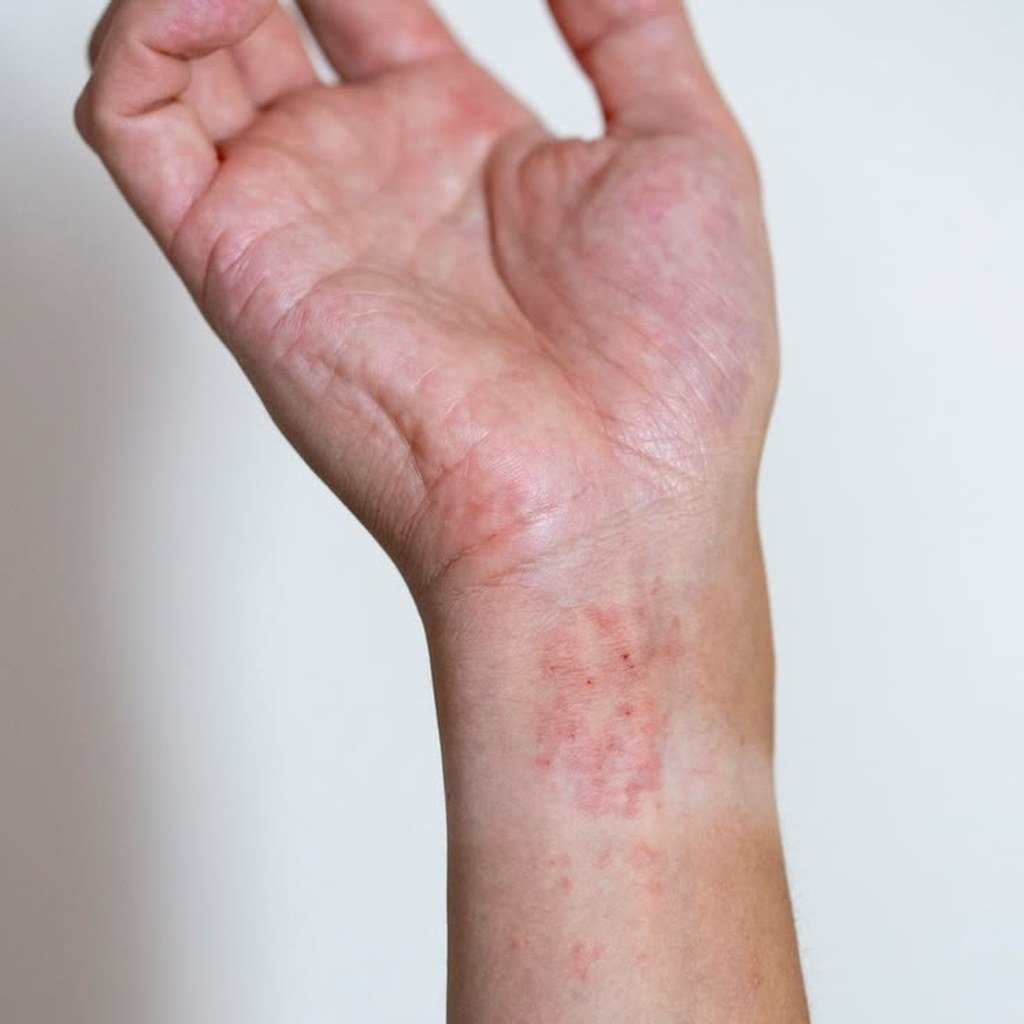
I spent most of my working life as a nurse on a dermatology ward, where I dressed the raw patches and rubbed the creams in on the morning round, and I believed in every tube of them, because a strong steroid cream brings a flare down so fast that it is hard to argue with what you are watching when red, cracked skin goes quiet inside a couple of days.
Something kept bothering me through all of it, because the same people kept coming back to us three and four times a year, and they were the same faces each time, with the flare sitting in the exact spot it had sat in before, so we would calm it, send them home, and then watch the calendar bring them round to the ward again.
There was one woman I still think about, who had lived with eczema since she was a girl and had been through decades of tubes at every strength on the chart, from the mild hydrocortisone up to the strongest ones the doctors save for the worst weeks, and she had long ago decided her skin was a thing to be managed for the rest of her life rather than a thing that ever ends, and she said it without any bitterness, as someone who had simply made her peace.
After enough years of watching that happen, I stopped trusting the model I had been handed, because if the cream truly fixed what the flare kept coming back from then the people I looked after would have gotten better and stayed better, and they never did, which left me wondering what all of us were missing, six specialists deep into the same skin.
So I started reading at night after my shifts, through old papers and new ones and anything I could get my hands on, and the thing I kept bumping into was so plain that it almost embarrassed me, because none of my training had ever put it the simple way.
Your body makes its own steroid, a hormone called cortisol, and cortisol is the thing that actually settles the redness and the swelling down inside the skin, which is the reason a steroid cream works so quickly, since it lays a man-made copy of cortisol on top, and that much I had always understood.
What I had never been taught was what happens next, because once your own cortisol has done its job the body switches it off and turns it into an inactive form, and there is an enzyme in the skin that runs that switch, and in eczema skin it tends to shut the cortisol off early, before the calm has had any time to hold, so the redness climbs back while the body's own answer to it is already being packed away, and that was the thing none of us on the ward were ever treating, because we kept bringing the flare down from the outside while the switch underneath kept turning the real calm off.
For years I had been bailing water out of a boat without ever once looking for the hole it was coming in through.
So I went looking for anything that might slow that switch down, and that is how I came to the work on licorice root, the plant itself rather than the sweet, because in 1990 a team led by Teelucksingh published in the Lancet that the main compound in it, glycyrrhizin, slows the very enzyme that turns cortisol off, and they showed it happening in human skin, from a plant and without putting any steroid into the body at all.
The more I read, the stranger it seemed that nobody on the ward had ever mentioned it, because in Japan that same compound is prescribed for eczema and dermatitis, sold as Glycyron tablets with an injectable form on top of that, and in 2020 a six-centre trial of 199 adults with chronic eczema ran it properly, giving half of them glycyrrhizin by mouth alongside a steroid cream for 28 days while the other half used the cream alone, and the ones who added the compound did better than the cream on its own and saw their itch settle more, which is the whole idea in a single breath, keep the cream for the flare and add the thing that works on the switch, and I had never once heard it said on the ward.
That thinking is what sits behind Liverty Dynamic Drops, which is one dropper of a lemon-tasting oil taken under the tongue at night, carrying that licorice root along with a few other calming plants, with every plant printed openly on the label, and it is built to work on the part of this that the cream was never able to reach, while you keep the cream itself for the bad weeks.
I began quietly mentioning it to people whose skin I already knew would be back in a few months, and one of them told me she had started falling asleep at night without clawing at herself, which was something new for her, while another said the redness she had carried for years had eased inside the first week, and I was always honest that none of it happens overnight, since the first week tends to bring sleeping through the night instead of waking to scratch, the next few weeks bring fewer new patches after a hard stretch, and it is only a couple of months in that the patches the cream clears finally stop coming back in the same spot the way they always used to.
I still believe in the cream for a flare, and I handed out thousands of tubes that I would hand out again for the right thing, but I stopped believing that the surface is the whole story, because those six good dermatologists were never careless with the woman who had made her peace with managing, they had every one of them been trained to quiet the top of the skin and send her home, and the switch underneath her skin was simply never anyone's job.
I am not writing any of this to sell you something, since I left the ward a while ago and have mostly been thinking about all the people I calmed and sent back out with the real cause still untouched, so if your skin keeps returning to the same spot no matter how good the cream is, it is worth knowing there is a whole side of this that nobody ever put in front of you.
You can read the rest of it here: phoilex.com/pages/liverty-drops
D3 · NO ONE AROUND YOU / UNDERSTOOD YOUR / ECZEMA FIGHT
Have you tried a cream? (the trivial-advice wound)
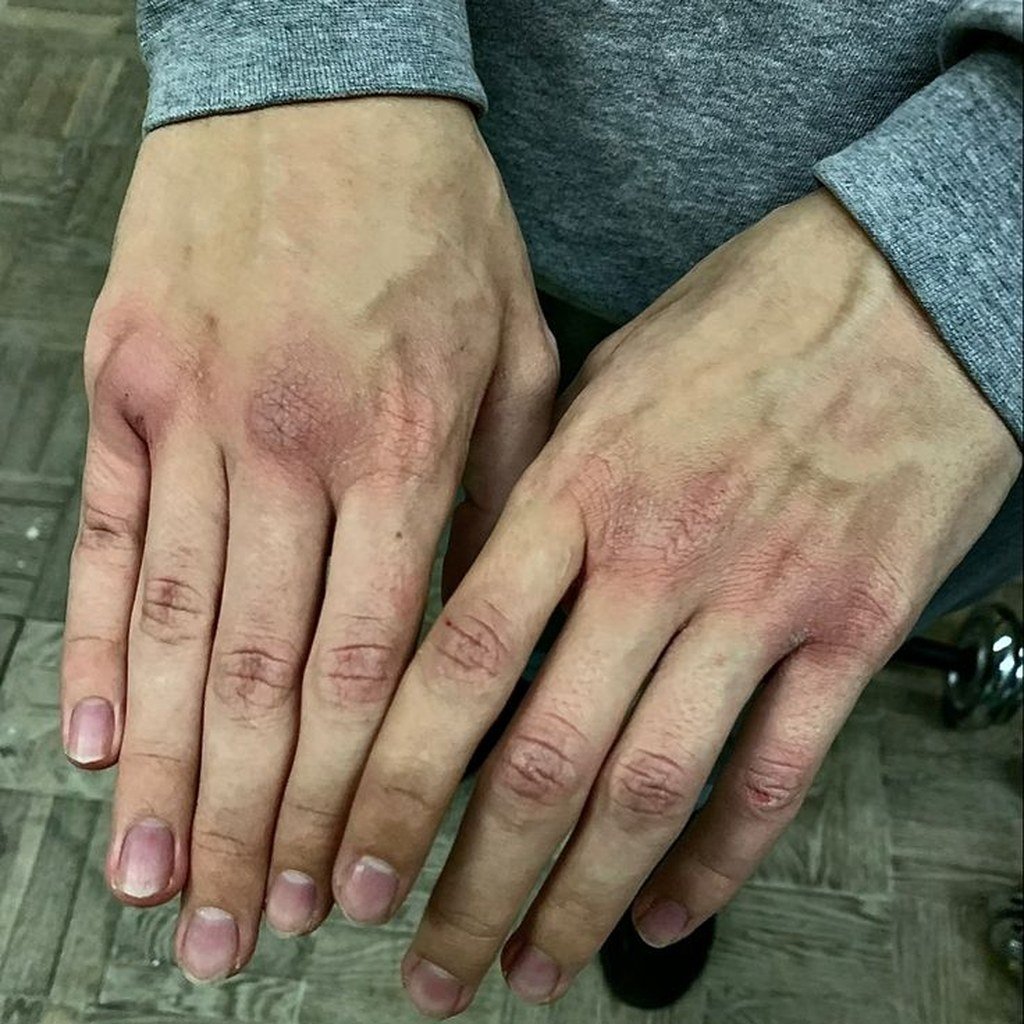


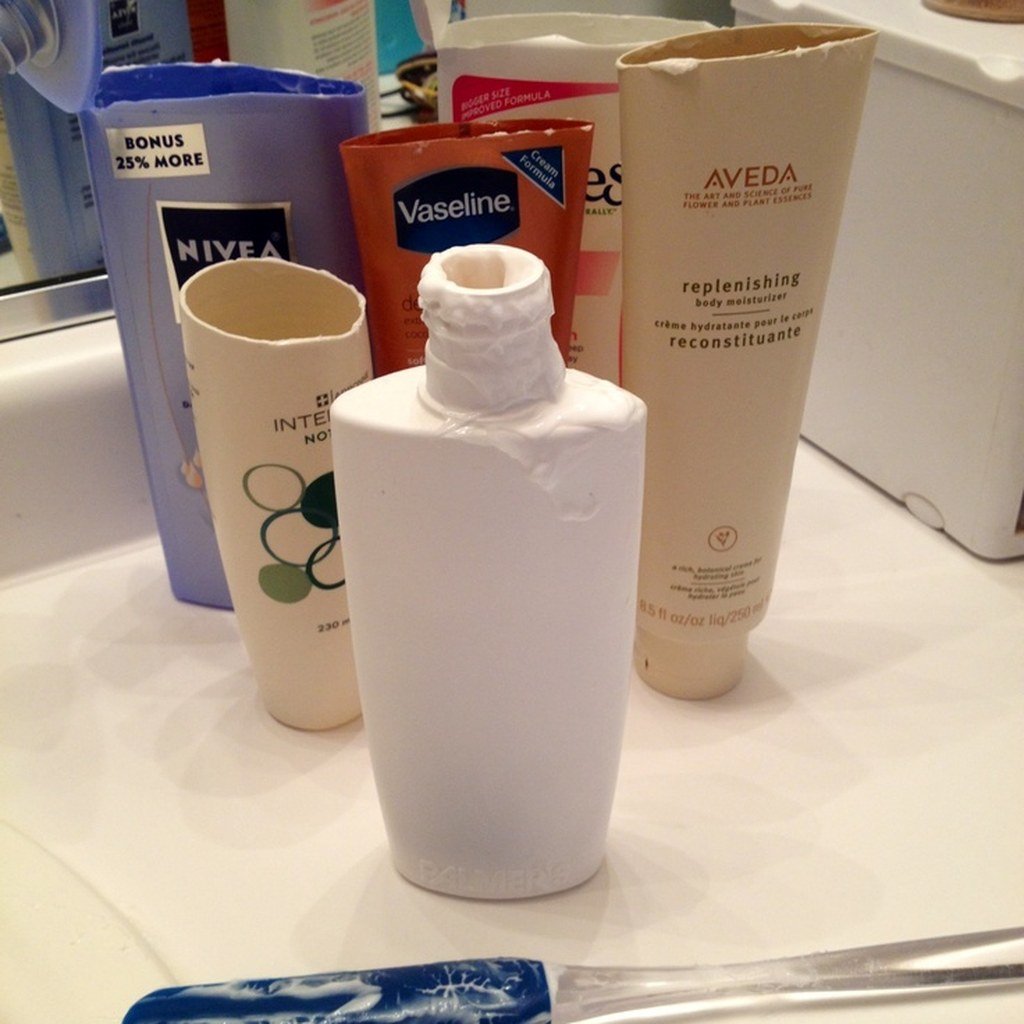

Long body (1038 words), as it runs live
Someone once asked a woman whose hands were splitting open at the knuckles whether she had thought about trying a good moisturizer, the way you might offer a stranger a mint, and if a question like that has ever stopped you cold, it is because the people around you did not understand the first thing about what you were actually carrying.
The woman was me, and the hands were mine, and for years the hardest part of this was never only the raw skin, it was standing in a kitchen or an office listening to someone reduce a disease that had quietly run my whole life down to a tip they had read on the back of a lotion bottle.
Most of them were not being cruel, they simply could not see it, because to them a patch of dry skin is a weekend problem that a cream clears by Monday, and they had no way of knowing that I had already worked through every cream on the shelf and every cream behind the pharmacy counter, that I had cut foods and kept diaries and chased triggers and watched the whole thing come back regardless.
There were years where I planned outfits around what the skin was doing, kept my hands in my pockets at dinners, and quietly rehearsed what to say when someone noticed, all while being told it was probably just a bit of dryness.
The nights were their own private thing, lying awake scratching until the sheets were marked and waking up raw, then pulling a long sleeve over it in the morning and carrying on as though the body underneath were behaving.
And the loneliest part of all of it was never the itch, it was the sense that nobody around me grasped what I was up against, that to everyone else this was a cosmetic afterthought while to me it was the thing quietly organising my entire life.
I had sat across from well-meaning people who suggested drinking more water, switching detergents, or trying the oatmeal bath their cousin swore by, each of them certain the fix was small and obvious and sitting right in front of me, and each suggestion a quiet reminder that they believed this was a problem I simply had not tried hard enough to solve.
At some point I stopped waiting for the people around me to understand it and started trying to understand it myself, reading late and refusing to accept that the answer was really a better moisturizer I simply had not found yet.
So I want to say plainly that if that question ever stung, the sting was never a weakness in you, it was proof that what you are fighting is a real condition with a real cause, and that cause is not the one anyone around you ever imagined.
Your skin makes its own calm against a flare, a steroid of its own called cortisol, and it is cortisol that actually brings the redness down before any lotion is involved, except that in eczema skin an enzyme shuts that cortisol off too early, before the calm can hold, so the flare climbs back no matter how good the moisturizer sitting on top of it happens to be.
A research team showed back in 1990 that the compound in licorice root can slow that very enzyme, so the calm you already make keeps working longer, and in Japan that same compound is prescribed for eczema and dermatitis, taken by mouth, which tells you how far this sits from a skincare tip.
Licorice has been reached for on inflamed, flaring skin for a very long time, long before the first tube of moisturizer was ever sold, which is a strange thing to hold in your head while a stranger is gently suggesting you just have not found the right lotion yet.
Once I understood that, every careless comment landed differently, because the people telling me to moisturize were pointing at the surface while the thing driving all of it sat a layer underneath, in a switch that no cream was ever built to reach.
That is why I take Liverty Dynamic Drops now, one dropper of a lemon-tasting oil under the tongue at night, carrying that licorice root with a few other calming plants and every one of them printed on the label, and it works quietly on the part of this that no amount of good moisturizer could ever get to.
When I started talking about it with other people who had lived the same dismissals for years, the same thing kept coming back, nights that finally held and skin that eased from somewhere far below where a lotion had ever reached, and more than one of them described sleeping through a whole night for the first time in longer than they could remember.
It is not a magic trick, and the first thing that changed for me was small, just sleeping through a night without waking to scratch, and then over a few weeks fewer new patches after the hard days, and by the second month the old patches had stopped returning to the same stubborn spots.
The change was quiet enough that I did not fully register it until a friend asked me, months later, what had happened to the raw patches on the backs of my hands.
The quiet milestone, the one I never saw coming, was the first stretch of weeks where I simply did not think about my skin at all, which after a decade of it running the show was a strange and genuinely welcome kind of silence.
I stopped bracing for the question at dinners, stopped planning sleeves around the weather, and slowly stopped organising ordinary days around a condition that had spent years quietly running them.
I cannot give you back the years of being told it was all just something you were doing wrong, but I can tell you that the question that once stung was never a judgment worth carrying, because you understood your own skin better than any of them ever did.
The piece they never knew about is finally the one being spoken to, and you can read about it here: phoilex.com/pages/liverty-drops
E1 · WHY BENADRYL NEVER / TOUCHED YOUR / ECZEMA ITCH
Why Benadryl never touched your itch


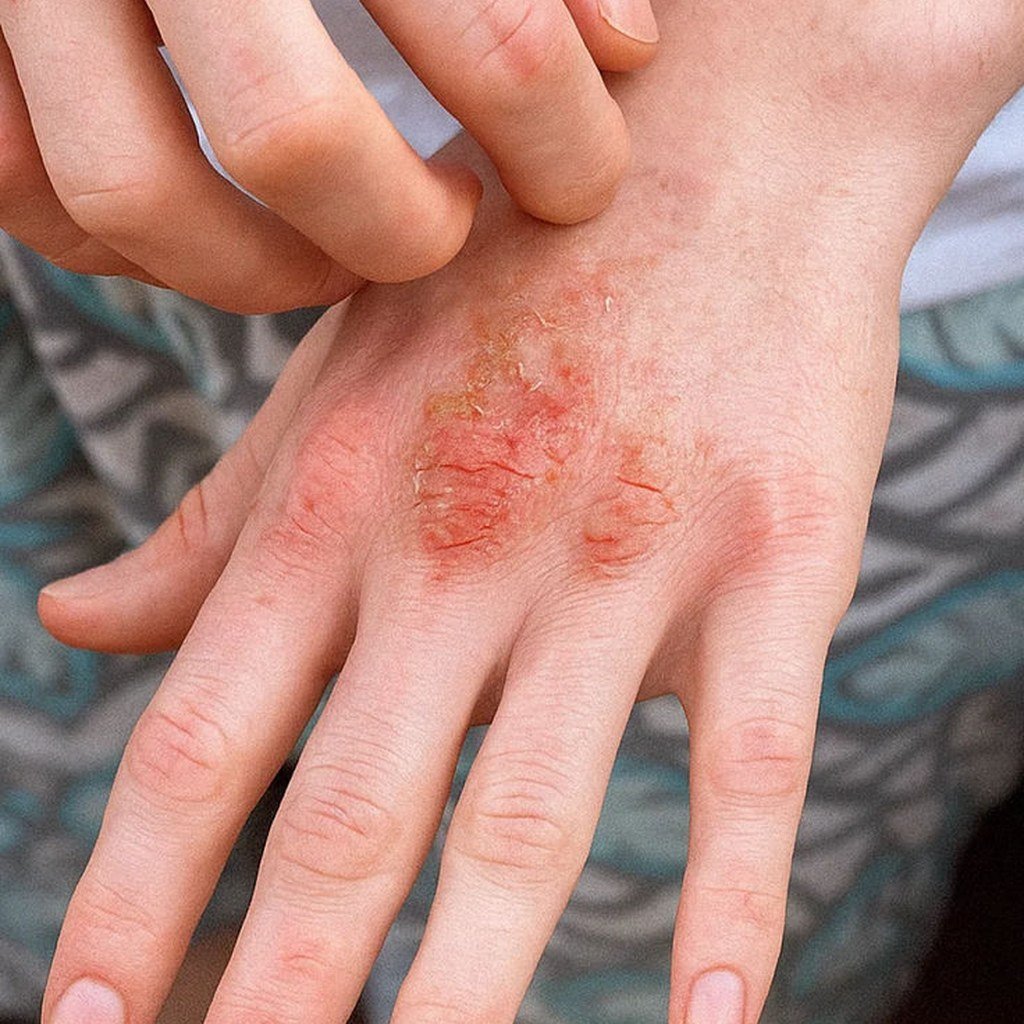
Long body (1096 words), as it runs live
There is a particular kind of tired that comes from swallowing a pill that was supposed to stop the itch, then lying there heavy and drowsy while the itch carries on underneath the drowsiness as though you had taken nothing at all.
I spent years in an allergy lab, running the eosinophil counts and the panels that tell you what a body is reacting to, and for a long time I believed the simple logic that an itch is an itch and an antihistamine is what you reach for.
An antihistamine like Benadryl is built for histamine, the chemical the body throws out during a bee sting or a hive or a reaction to pollen, and against that kind of itch it genuinely works, which is exactly why it gets handed to people with eczema on the fair assumption that it will work there too.
What kept nagging at me was that the eczema patients never seemed to get the relief the hive patients did, because the same pill that could switch off a welt in an hour would leave someone with eczema foggy and half asleep and still clawing at the same raw skin.
I remember one woman who had been taking it nightly for years, convinced she simply had to accept the grogginess as the price of sleep, except the itch was waking her anyway and the drowsiness was spilling into foggy, slowed-down days on top of it.
She came back weeks later no better, still exhausted, still scratching, and that was about the point where I stopped trusting the tidy assumption I had been handing out along with everyone else.
Because if the itch in eczema were really a histamine itch, the pills would have quieted it the way they quieted the hives, and across enough patients I watched them simply fail to.
So I started reading in the evenings, through the immunology I thought I knew well, and the thing I kept arriving at reframed the whole problem for me.
The itch in eczema skin mostly does not come from histamine at all, it comes from the nerves in inflamed skin firing on their own, which is the reason an antihistamine can leave you drowsy and still miss the one thing you took it for entirely.
Those same nerves are the ones a hard week sets off, and a team at Fudan University showed in mice that stress fires a set of them straight into the skin and draws inflammatory cells in behind them, which is part of why the itch grows loudest once the lights are out and there is nothing left to feel but your own skin.
Once I saw that, the years of patients cycling through the antihistamine aisle finally made a different kind of sense, because the whole shelf was aimed at a signal this itch was never really sending.
The field had been mopping one floor for years while the tap that fed the itch ran on in another room entirely.
So I went looking for whatever actually calms this kind of itch at its source, rather than another pill built to knock a person out and hope.
One plant kept turning up that reads completely differently from an antihistamine, and it is nettle, the same stinging plant that raises a welt when it brushes your arm, which has a quiet irony to it, the plant that gives you a hive being the one taken against the itch.
In a trial of 74 people a nettle extract taken for a month brought allergy symptoms down and lowered the count of a certain immune cell, the very cell I had spent years tallying in that lab, and it did all of that without making anyone drowsy.
Beside the nettle there was licorice root for the flare itself, because the body makes its own calm in the form of cortisol and licorice slows the enzyme that switches that cortisol off too early, so the calm you already make lasts longer instead of being cut short.
And there was lemon balm for the nights, the old tea herb studied for helping people sleep, which matters more than almost anything when the itch is at its worst in the dark.
The trouble with the usual route was always the same, that the antihistamine aisle was built for a different kind of itch, so the best it could offer was a foggy head and a night that still ended in scratching.
Those plants are carried together in Liverty Dynamic Drops, one dropper of a lemon-tasting oil held under the tongue at night, with every plant printed openly on the label, built to work on the itch where the itch actually begins rather than covering the whole night in drowsiness.
I started mentioning it to the people I knew had given up on the pills, and what came back had a pattern to it, falling asleep without clawing at the sheets and days that were no longer lost to grogginess.
None of it is a fast trick, so the honest shape of it is sleeping through the first week instead of waking to scratch, fewer new patches after the rough stretches over the following weeks, and the patches that keep returning to the same spots beginning to let up around the second month.
It never happened all at once, and that slow pace was part of what finally convinced me it was real, because the quick fixes had always been the ones that failed me the fastest.
I still think an antihistamine has its place for a true allergy, the hives and the pollen it was actually made for, but I stopped believing it was ever the answer for an itch that was never a histamine itch to begin with.
I am not writing this to sell you anything, I simply spent a career counting the cells behind this and watching people blame themselves for a pill that was never built for their kind of itch.
If the drowsy nights never once added up to relief, that was never a failure of yours, so it is worth taking a step back and finding the version of this aimed squarely at the kind of itch you actually have.
For me it changed how I read every panel that came across that lab, and for the people who stopped reaching for the wrong aisle it changed their nights, and for you it might be the first thing that was ever pointed at the real source of the itch.
You can read about it here: phoilex.com/pages/liverty-drops
E2 · THE STEROID-FREE ECZEMA / CREAM WITH A / CANCER WARNING
The steroid-free cream with a cancer warning



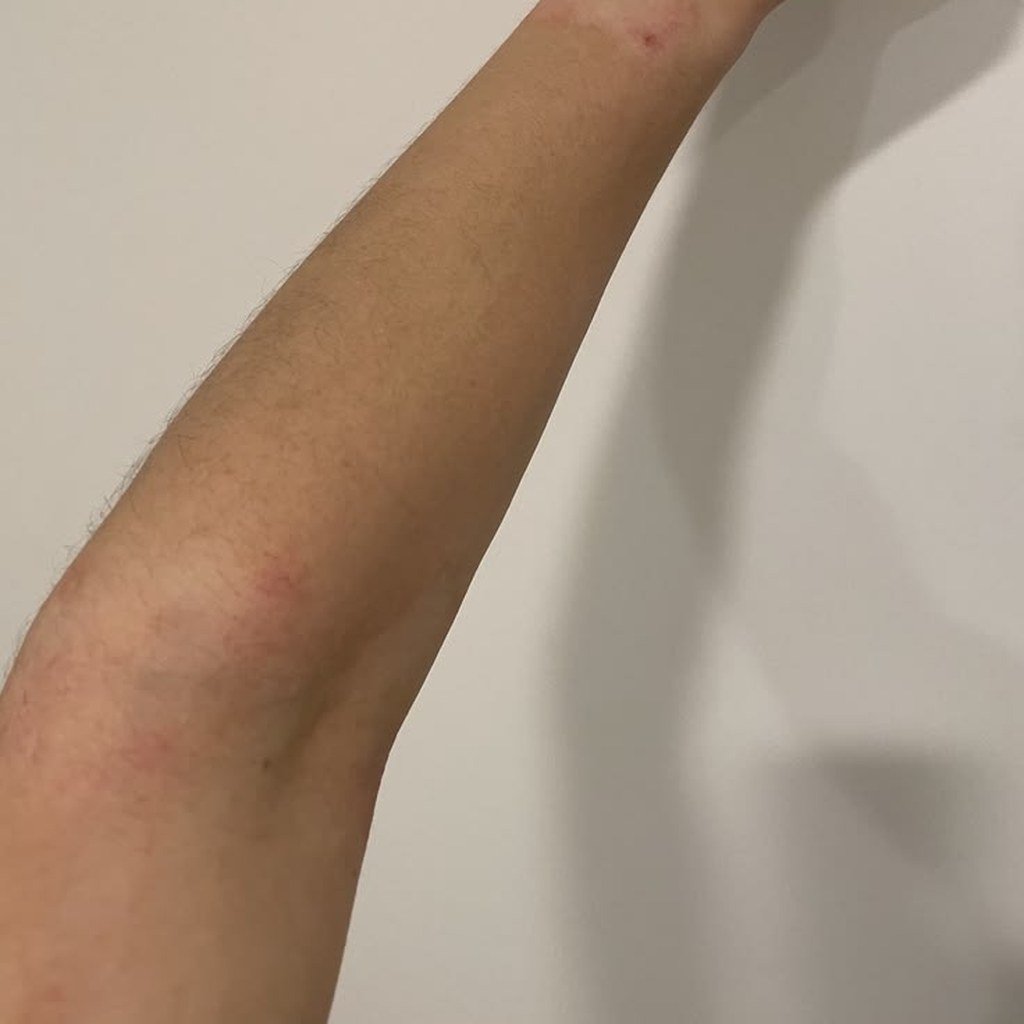
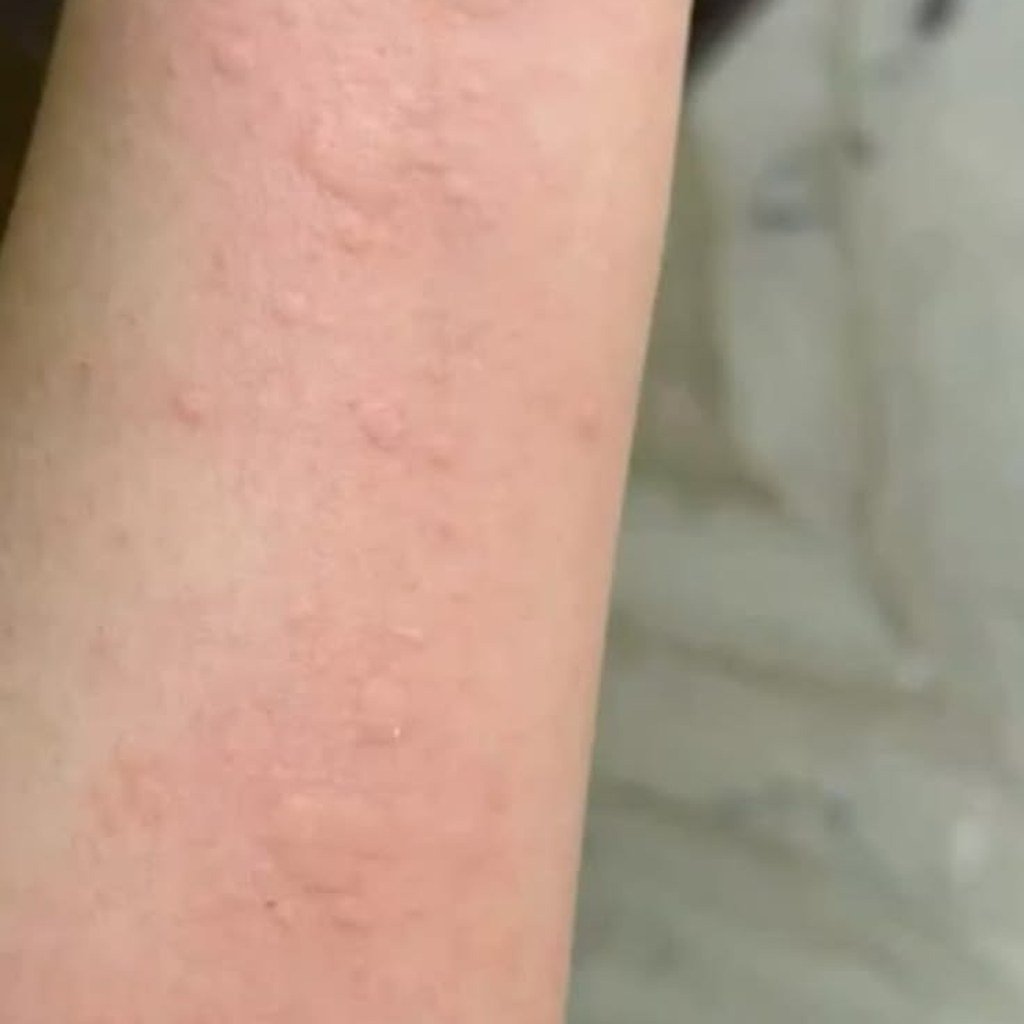
Long body (1228 words), as it runs live
When a doctor finally hands you a cream that is not a steroid, there is a real wave of relief, because you have spent years being warned about thinning skin and told to use the strong tubes only for short stretches, and here at last is something that seems to step around all of it.
I spent most of my working life as a hospital pharmacist, and I filled more steroid creams than I could ever count, the whole ladder of them, from the mild hydrocortisone most people start on up to the superstrong tubes a specialist signs off for the worst weeks.
For years I believed in that ladder, because I watched red, cracked skin go quiet within a couple of days of someone starting a tube, and when something works that fast in front of you it is very hard to argue with.
What I kept running into, though, was the moment a patient finally graduated to a steroid-free option and came to the counter almost lightheaded with relief, convinced they had been handed the thing that would let them stop worrying about their skin thinning out.
I would have to be the one to turn the box over with them, because the steroid-free creams most people are handed, Protopic and Elidel, carry a boxed warning, the most serious kind the regulator puts on a medicine, about a possible risk of cancer.
There is a particular silence that falls over someone when they read that, standing at a pharmacy counter holding the gentle alternative they had waited years for, and realising it came with a warning the steroid they were trying to escape had never carried.
The patients I counselled would almost always calm their skin for a while on it, and then a hard stretch would come and the flare would climb right back, and they would be back at the counter again, which was the pattern that slowly wore away my faith in the whole shelf.
Because if either of those creams truly fixed what the flare kept coming back from, the people I handed them to would get better and stay better, and over enough years I watched far too many of them never stay better at all.
So I started reading in the evenings, through the pharmacology I thought I already knew and the newer work I had missed, and two things settled into place that I had never been taught to put side by side.
The first was simply how heavy that boxed warning is, the strongest category a regulator issues, the same level of caution saved for the most serious risks, printed on the very tube that gets handed over as the gentler, safer choice.
The second was larger, that neither of those creams was ever built to work on the thing the flare keeps returning from, because both of them work on the surface while the flare quietly restarts from a layer underneath that no cream was reaching.
Your body makes its own calm against a flare, a steroid of its own called cortisol, and cortisol is the thing that actually settles the redness down well before any tube is involved, which should be the end of it.
The catch is that in eczema skin there is an enzyme that switches that cortisol off too early, before the calm has had time to hold, so the flare climbs back no matter which cream you have been handed to rub on top of it.
That was the piece none of my training had ever handed me, and once I saw it the years of patients cycling back to the counter finally made a different kind of sense, because every cream on my shelf was aimed at the surface while the switch underneath kept turning the real calm off.
The whole field had been mopping the same floor for years while the tap in the next room ran on untouched.
So I went looking for whether anything could work on that switch from the inside, something without a steroid in it and without a warning of that kind folded into the box.
What I came to was a plant rather than a drug, the compound in licorice root, which a team led by Teelucksingh showed back in 1990 can slow the very enzyme that turns cortisol off, and they showed it happening in human skin, from a plant and with no steroid entering the body at all.
The more I read the stranger it seemed that it had never crossed my counter, because in Japan that same compound is prescribed for eczema and dermatitis, sold as Glycyron tablets with an injectable form on top of that, and in 2020 a six-centre trial of 199 adults with chronic eczema ran it properly for 28 days, giving half of them the compound by mouth alongside a steroid cream and the other half the cream alone, and the ones who added it did better than the cream on its own and saw their itch settle more.
Keep the cream for the flare and add the thing that works on the switch, in other words, which was the whole idea sitting there in a real study while I had spent years handing people a choice between a steroid that thins the skin and a cream that carries a warning.
That thinking is what sits behind Liverty Dynamic Drops, one dropper of a lemon-tasting oil held under the tongue at night, steroid-free, carrying that licorice root along with a few other calming plants, with every one of them printed openly on the label.
I started mentioning it to the people I knew would be back on the ladder in a few months, and what came back had a shape to it, nights that finally held and redness that eased from somewhere deeper than any surface cream had been reaching.
None of it is overnight, so the honest version is sleeping through the first week instead of waking to scratch, fewer new patches after the hard stretches over the following weeks, and the patches that keep returning to the same places starting to stop somewhere around the second month.
I still believe in a steroid cream for a genuine flare, and I filled thousands of them for good reason, but I stopped believing the answer was only ever another thing to rub on, especially when the gentler option on the shelf came with the heaviest warning of all.
I am not writing this to sell you anything, I simply spent a career watching people choose between thinning their skin and a warning they never wanted to read, when nobody had ever shown them there was a third direction entirely.
If you have stood at a counter holding a steroid-free tube and felt that quiet unease about the warning inside the box, that unease was worth listening to, so take a step back and learn what else this could be worked on with before you accept those two choices as the only ones.
For me it changed how I thought about every tube I had ever filled, and for the people who started working on the cause from within it changed how their skin behaved, and for you it might be the direction nobody behind a counter ever pointed you toward.
You can read about it here: phoilex.com/pages/liverty-drops
F1 · PSORIASIS PLAQUES / FED BY A LIVER / NO ONE CHECKS
Half of psoriasis patients carry a fatty liver

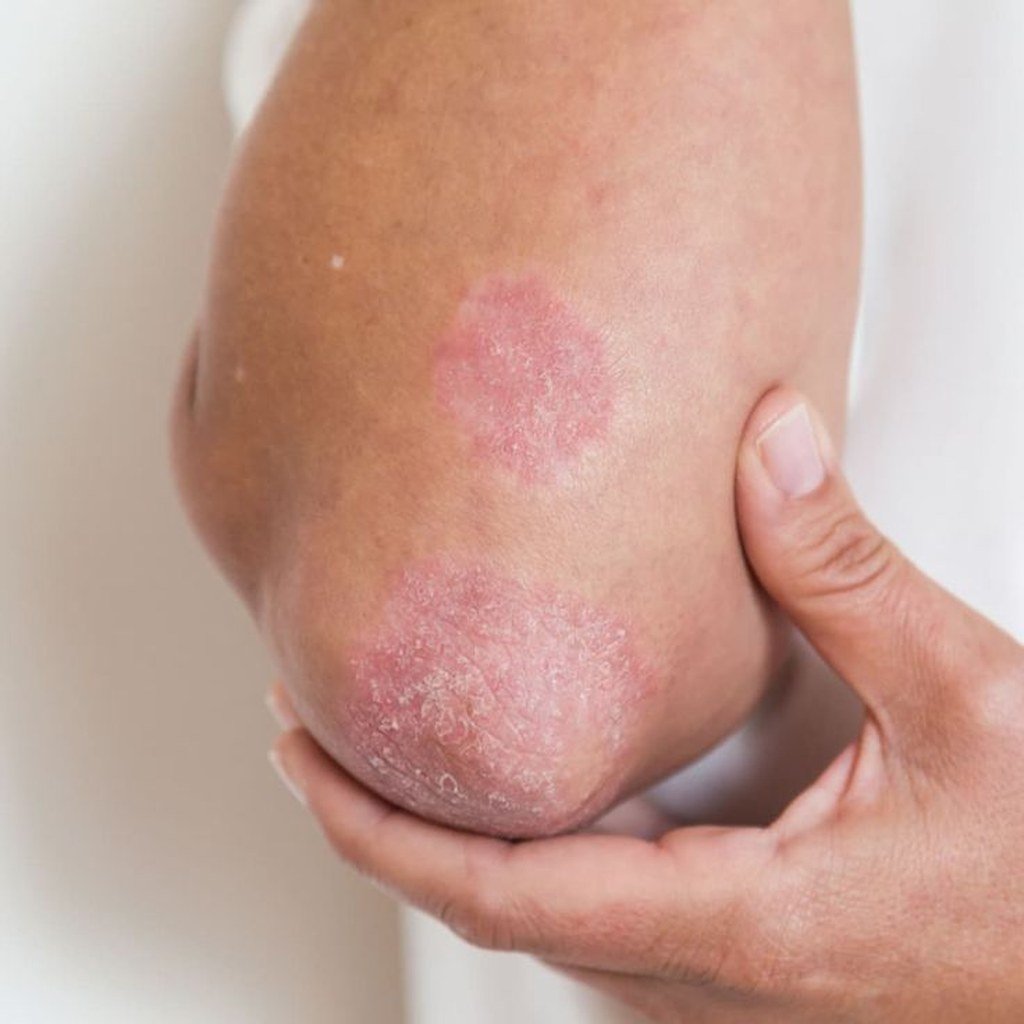
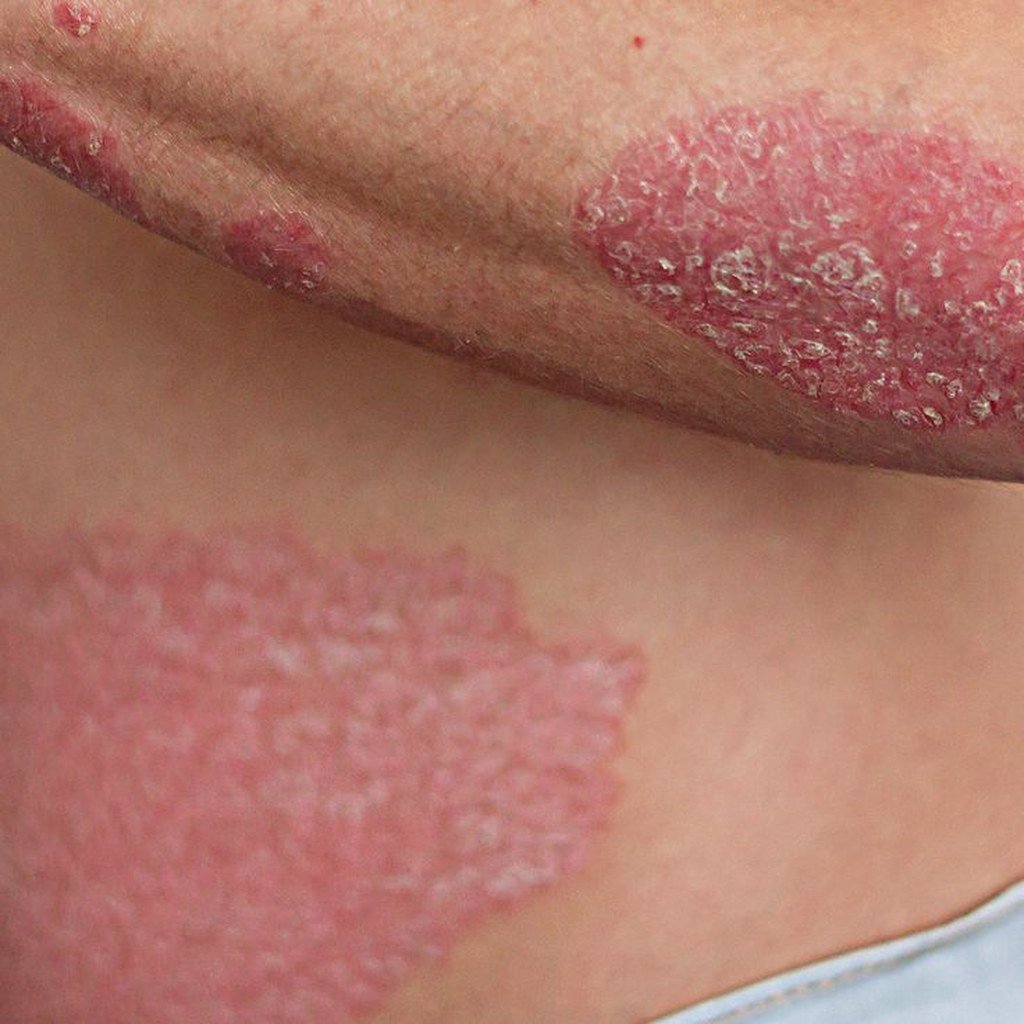

Long body (1194 words), as it runs live
About half of the people living with psoriasis are carrying something a dermatologist almost never checks for, a quietly inflamed, fatty liver, and for most of them nobody has ever once connected it to the plaques on their skin.
I spent years working in a liver clinic, running the ultrasounds and reading the blood panels, and for a long stretch of that time I assumed psoriasis and the liver were two entirely separate stories that simply happened to land in the same body.
The skin was always somebody else's department, treated at the skin, with creams and light boxes and the stronger pills, while my side of the hospital dealt with the organ and the two sides rarely so much as spoke to each other.
What slowly started to bother me was how often the people coming through for a scan on their liver turned out to have psoriasis sitting on their arms and scalp, and how not one of them had ever been sent to us by the dermatologist who was treating that skin.
There was one woman in particular who I still think about, who had lived with thick plaques for the better part of twenty years and had been through every cream and more than one of the serious systemic drugs, and when her scan came up on my screen the liver was clearly fatty and inflamed, something no one in all those dermatology appointments had ever mentioned to her.
She came back some months later for a follow-up, and both things had worsened together, the plaques thicker than before and the liver no better, and that was the moment the two stopped looking like a coincidence to me and started looking like one problem wearing two faces.
The question of whether they were feeding each other kept me up more nights than I would like to admit, because if it were true then half the field was treating the surface of something that was partly being driven from a place no one was looking.
So I started reading everything I could find after my shifts, and the thing I kept arriving at was far larger than I expected, laid out across one study after another and pointing in the same direction every time.
Across 15 studies covering nearly 250,000 people, around half of those with psoriasis carried a fatty liver against roughly a third of everyone else, a gap far too wide to shrug off, and the research went further than that and found that the more inflamed the liver ran, the worse and more stubborn the plaques tended to sit.
I read that last part more than once, because it turned a loose association into something with a direction, the plaques on the skin and the inflammation in that organ quietly feeding each other while every tube and every pill in the usual routine stayed pointed firmly at the skin.
It finally made sense of everything I had been seeing, that so much of dermatology is built to treat where the disease shows itself, and a liver that is quietly inflamed does not itch or flake or announce itself in any way, so it slips straight past an appointment that was only ever looking at the surface.
For years, in other words, the field had been mopping the same floor over and over without anyone walking into the next room to see the tap that was still running.
Once I understood that, I started looking at whether there was a gentle, everyday way to support that organ rather than another drug aimed at the skin, something a person could take at home without turning their life upside down.
What I kept coming back to were a handful of plants that people have leaned on for the liver for a very long time, long before any of us had a scanner to prove what they were doing.
Milk thistle is the oldest of them, the European liver herb written about for centuries, and its compound has been studied for bringing certain liver enzymes down over a stretch of months, which is exactly the kind of quiet, steady support the organ behind the plaques seems to need.
Chaga sits beside it as the old northern remedy for the same organ, used across Siberia and Eastern Europe long before it had a name on a label, and the two of them together point the help squarely at the place dermatology was never set up to reach.
The trouble with the usual path was always the same, that every option on offer, from the creams to the strongest systemic drugs, was built to quiet the skin while the organ that half of us carry inflamed went right on untouched underneath it.
That gap is what sits behind Liverty Dynamic Drops, one dropper of a lemon-tasting oil held under the tongue at night, which carries the milk thistle and chaga for that organ along with a few calming plants for the skin itself, and every single one of them is printed openly on the label.
I began paying closer attention to the people who had found their own way to something like this, and what I heard back had a pattern to it, calmer skin and a body that finally felt like it was being worked on from the inside rather than only buffed on the surface.
None of it is overnight, and I would never tell anyone that it is, so the honest shape of it is calmer nights in the first week, fewer new patches after the hard stretches over the weeks that follow, and the old stubborn plaques finally beginning to loosen their grip somewhere around the second month.
The drops are also recognised by the National Psoriasis Foundation, which mattered to me as someone who had grown deeply wary of anything that promised to fix a lifelong condition in a hurry.
I still believe in the creams for a bad flare, the way I still believe in everything that genuinely calms the surface, but I stopped believing that the surface was the whole of it, because for about half of us there is a second place this disease runs from and almost nobody is ever sent to look at it.
I am not writing any of this to sell you something, I simply spent too many years watching psoriasis patients roll past me with a liver nobody had flagged, carrying a piece of the puzzle that never once made it back to the people treating their skin.
If you have been told your psoriasis is only a skin problem and the creams keep calming it while the plaques keep returning, it is worth taking a step back and learning what else might be feeding it before you accept that managing the surface forever is all there is.
For me it changed how I understood the disease entirely, and for the people who finally started supporting that second place it changed how their skin behaved, and for you it might be the part of this nobody ever thought to put in front of you.
You can read about it here: phoilex.com/pages/liverty-drops
F2 · YOUR LABS READ NORMAL / WHILE THE PSORIASIS / GOT WORSE
Your labs came back normal and it got worse

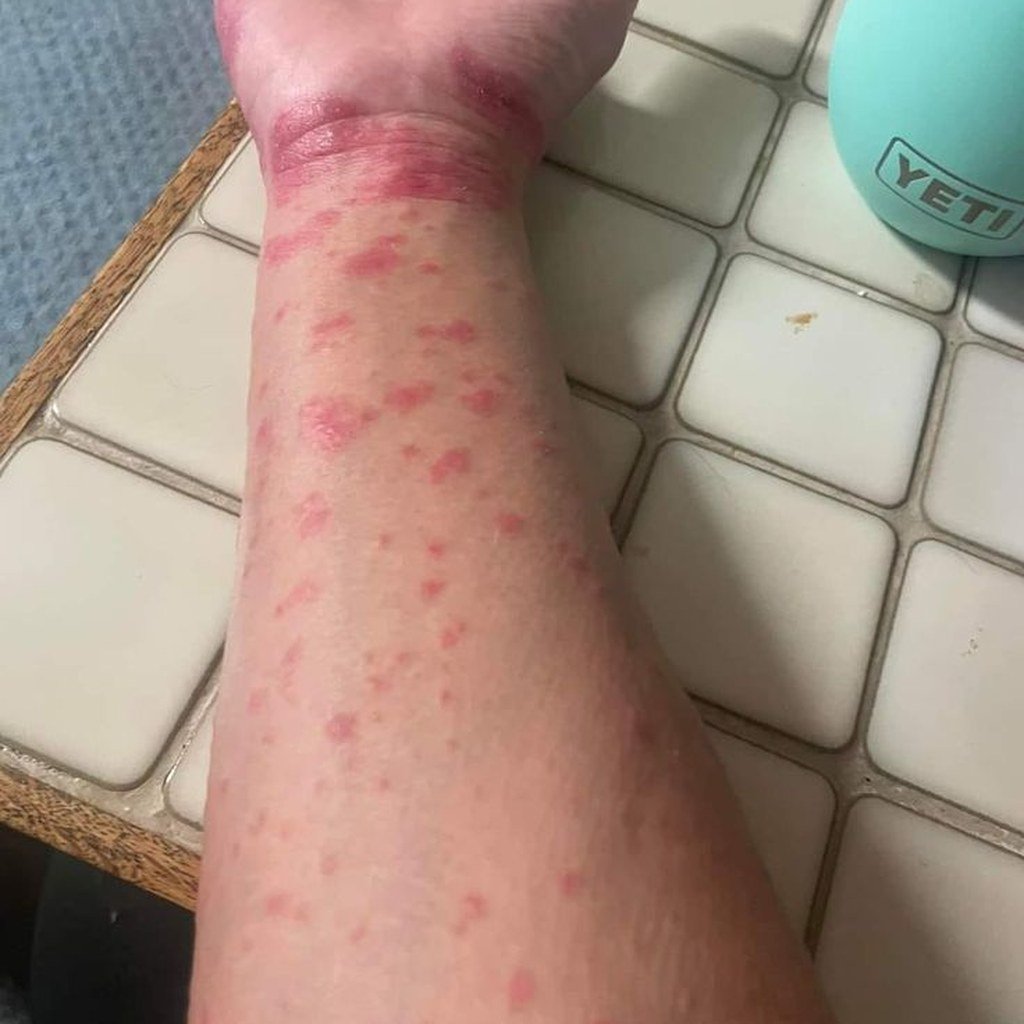
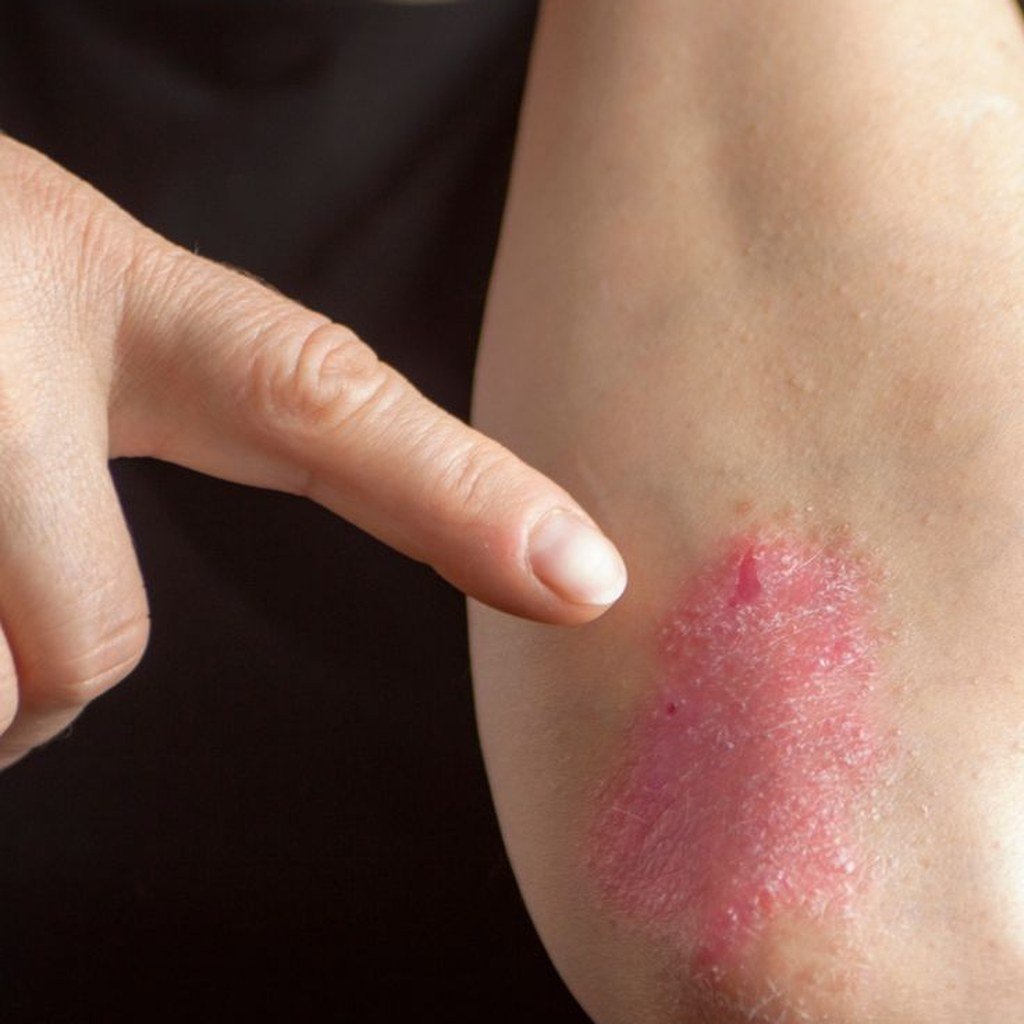
Long body (1087 words), as it runs live
Your bloodwork can come back perfectly normal while the psoriasis keeps getting worse, and there is a real reason behind that which is not the coincidence it tends to feel like.
I spent years reading the liver panels that come through a hospital lab, and for most of that time I treated a normal result on that panel as the final word, the proof that whatever else was wrong, the liver at least was fine.
That is how almost everyone treats it, patient and doctor alike, because a clean set of numbers feels like a closed door, a box you can tick and move on from to whatever else is going on.
What slowly started to unsettle me was how many people with psoriasis would come through with skin that was clearly getting worse and a liver panel that came back spotless, as though the two had nothing whatsoever to do with each other.
There was one woman I think about often, who had held onto a normal lab result for years as proof that her skin problem had nothing to do with anything deeper, and all the while that one reassuring number kept her and her doctors pointed firmly at creams.
She came back later with the plaques worse than before and the same calm printout in her file, still being told the bloodwork looked fine, and that was the moment the clean result stopped looking like reassurance to me and started looking like a blind spot.
Because if a normal panel truly meant a healthy liver, the skin in front of me should have tracked it, and far too often it simply did not.
So I started reading in the evenings, through the lab medicine I thought I had down cold, and what I found changed how I would ever read one of those panels again.
In as many as thirty-nine percent of people who have a fatty liver, the standard blood test still reads normal, so a clean result on that panel can sit quietly on top of a liver that is anything but healthy.
And about half of people with psoriasis are carrying exactly that kind of quietly inflamed liver, one that feeds the plaques, which means the single organ most likely to be driving the skin turns out to be one of the easiest things to miss on a routine draw.
It is a strange thing to sit with, how many people have held a clean printout next to a flaring body, each of them told with real confidence that the two could not possibly be connected.
Once I understood that a normal panel can rest right on top of an inflamed liver, the years of spotless results beside worsening skin finally made a different kind of sense, because the one test everyone trusted was the very thing letting the driver slip past.
The whole field had been mopping one floor on the strength of a gauge that simply was not reading the tap in the next room.
So I started looking at whether there was a gentle way to support that organ anyway, on the days the paper said everything was fine, something a person could take at home rather than another drug aimed only at the skin.
What I kept arriving at were a few plants people have leaned on for the liver for a very long time, long before any of us had a blood panel to point at.
Milk thistle is the oldest of them, the European liver herb, and its compound has been studied for bringing certain liver enzymes down across a stretch of months, which is precisely the organ a single normal test is so good at waving quietly through.
Chaga sits beside it as the old northern remedy for the same organ, so the support lands exactly where a routine panel so rarely thinks to look.
The trouble with the usual path was always that a reassuring number gave everyone permission to stop looking, while the plaques kept being fed from a place the lab had already signed off on.
That is why I take Liverty Dynamic Drops now, one dropper of a lemon-tasting oil held under the tongue at night, which carries milk thistle to support the liver along with chaga and a few calming plants for the skin, with every one of them printed openly on the label.
When I started paying attention to the people who had found their own way to something like this, what came back had a pattern, calmer skin and a sense of finally supporting the part of the body a blood test had kept excusing.
None of it is overnight, so the honest version is calmer nights early on, fewer new patches after the hard weeks as it goes, and the stubborn old plaques loosening their hold somewhere around the second month.
It moved at the pace of something genuinely being supported rather than merely covered over, which after years of fast creams and faster disappointments felt almost unfamiliar to me.
What it gave me, more than anything, was a target, because for the first time there was a part of this a person could actually support, day after day, instead of simply rubbing one more thing onto the plaques and hoping something would finally change.
The drops are also recognised by the National Psoriasis Foundation, which reassured the part of me that had grown skeptical of every quick promise that came before.
I still trust the labs for what they genuinely catch, and I would never tell anyone to throw a blood test away, but I stopped treating one normal panel as proof the liver behind the plaques is fine.
I am not writing this to sell you anything, I simply spent a career reading those numbers and watching people close the door on their own liver because a single test told them to.
If a doctor has ever told you the bloodwork looks fine while your skin quietly argued otherwise, that was never the end of the story, so take a step back and look at what might still be feeding this even on the days the paper says you are fine.
For me it changed how I read every panel that came after, and for the people who started supporting that organ anyway it changed how their skin behaved, and for you it might be the part of this a clean result was quietly hiding all along.
You can read about it here: phoilex.com/pages/liverty-drops
F3 · SCALP PSORIASIS / STARTS DEEPER THAN / ANY SHAMPOO
Your scalp is not a shampoo problem




Long body (984 words), as it runs live
A flaking, plaque-covered scalp does not settle no matter how many shampoos you work your way through, and the reason is almost dull once you finally see it, because a shampoo only ever reaches the surface while this is a disease that lives a good deal deeper than that.
I spent a long stretch of my life convinced the next bottle would be the one, the medicated kind and the tar kind and the expensive salon kind, and even a prescription shampoo and a strong topical liquid that a dermatologist handed me, and the flaking always crept back along the old hairline within days.
By then I had a whole shelf of half-empty bottles and a habit of picking at the flakes without even noticing I was doing it, which was its own small misery, the brushing it off a dark shirt before a meeting and the catching sight of it in a bright bathroom mirror.
I had honestly started to believe it was just the hand I had been dealt, a scalp that would flake for the rest of my life no matter what I did, and I had quietly made peace with hats and dark colours and sitting toward the back of things.
The flaking was only part of it, because the harder part was the small daily negotiations around it, the dark clothes, the quick checks before walking into a room, and the way a scalp can quietly shrink the size of a life.
What finally changed it came from a direction I never expected, a dropper of oil taken by mouth at night, and I will be honest that I was skeptical of it, because nothing you rub, lather or swallow had ever held for me before.
I would not have fully believed it was working, either, if I had not ended up proving it to myself entirely by accident.
I went away for a week and left the drops sitting on the bathroom shelf at home, not thinking much of it, and by about the fourth day my scalp had started flaking again along that same old line, the way it always used to before any of this began.
I remember standing in a borrowed bathroom, running a hand through my hair and feeling those rough little patches coming back under my fingers, and the quiet dread of it, because by then I had let myself trust that part of my life was finally behind me.
There was a sinking familiarity to it, watching the thing I thought I had finally outrun creep back the moment the drops were out of the picture, and some stubborn part of me filed it away.
I started taking them again the very night I walked back through my own front door, and within a few days the scalp had quietly settled right back down, which was the moment I stopped wondering whether it was really the drops doing the work.
That small accident told me more than any label ever could, because it showed me the calm was arriving from the inside and leaving from the inside, somewhere far below where any shampoo had ever been able to climb down to.
It fit the one thing nobody in all those years had ever explained to me, that a plaque on the scalp is the same disease as a plaque anywhere else, driven from somewhere inside rather than grown out of the hair or the dandruff the whole aisle keeps selling against.
Every product on that shelf is built for the surface of the scalp, and mine was never really a surface problem, which is the plain reason none of them ever held for longer than a few days.
For years I had been scrubbing and medicating the top of something whose root sat well below the reach of any bottle, which is the whole reason the relief from a shampoo never once outlasted the week I bought it in.
The drops are the Phoilex Liverty Dynamic Drops, one dropper of a lemon-tasting oil held under the tongue at night, carrying milk thistle along with a handful of calming plants, with every single one of them printed on the label.
They are also recognised by the National Psoriasis Foundation, something I only went and looked up afterward, once I already knew from my own week away that the thing was genuinely real.
When I mentioned it to a couple of other people who had been losing the same battle with the shower shelf for years, more than one of them came back describing the same quiet turn, a scalp that stopped demanding to be scratched the moment they walked past a mirror.
It is a strange thing to recommend a bottle of drops for a flaking scalp, and I understand the doubt completely, because I carried the very same doubt right up until the week I accidentally ran the experiment on myself and watched it answer itself.
It is not an overnight trick, and for most people the first week is really about calmer nights and less picking, with the scalp easing over the following weeks rather than all in one go.
The difference that mattered most to me was small and ordinary, getting dressed in the morning without first checking a dark shirt for flakes, which after all those years felt like far more than it sounds.
It is a small and ordinary kind of freedom, and it is the sort of thing only someone who has lived with a flaking scalp would understand the real weight of.
If you have a scalp that flakes no matter which bottle is standing in the shower, it is worth knowing the fight may not be a shampoo fight at all, and that the part of it no lather could ever reach is the part finally worth treating.
You can read about it here: phoilex.com/pages/liverty-drops
G1 · A DAILY DROP / FOR STEROID / WITHDRAWAL SKIN
The TSW stack in one dropper



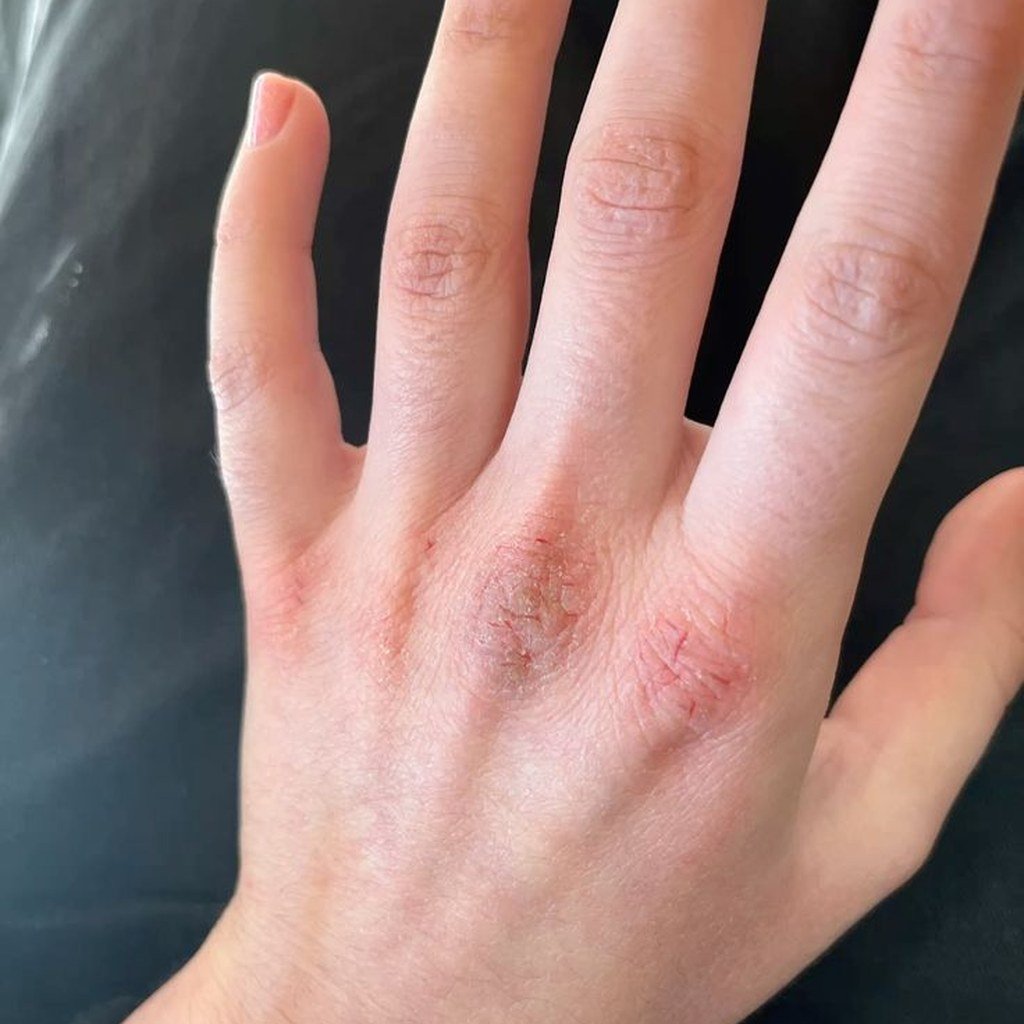

Long body (1037 words), as it runs live
When the skin turns to fire coming off a steroid cream, the usual instruction is to white-knuckle your way through it alone, with little more than a calendar and a promise that it passes eventually.
I have read post after post from people months into it, skin raw and shedding in sheets, barely sleeping, marking the days off on a wall, and the loneliest thread running through all of them was being told there was simply nothing they could take to make the gap any easier.
This is not some fringe corner of the internet either, because the regulator eventually logged hundreds of reports of these withdrawal reactions and in 2024 began putting withdrawal warnings and potency labels on the tubes themselves, which is about as official as an acknowledgement gets.
Behind every one of those reports is a person who did everything they were told, used the tube only as prescribed, and still ended up with skin that burned and shed worse than the eczema they started with, and then discovered there was no clinic set up to walk them through what came next, only a forum and a lot of frightened, generous strangers.
So I started spending real time in the withdrawal forums, reading closely rather than skimming, and after a while I began to notice something that nobody in a white coat had ever pointed out to any of these people.
The ones who were coping best were quietly stacking the same few things on their own, piecing a routine together out of hard experience and comparing notes at two in the morning, often buying three or four separate bottles just to get through the worst stretch of their lives.
These were people in real pain rather than anyone chasing a trend, looking for anything at all that would take the edge off a single night, and over time they had quietly become experts in their own survival.
What kept turning up was milk thistle, taken to support a liver that had been quietly processing years of strong medication, and lemon balm for the nights when sleep simply would not come, and licorice root to work alongside the cortisol the body already makes for itself.
The striking part was that the same short list kept appearing again and again, written by people who had never met and had nothing to sell each other, each arriving at it from a slightly different direction and landing in almost exactly the same place.
It made a quiet kind of sense once I understood what each piece was for, a liver that had carried a decade of medication and needed real support, a mind that could not switch off once the lights went out, and a body whose own calm had been leaned on so hard by the creams that it needed time to find its feet again.
None of that was ever a sign of a body that had given up, it was a body that had been doing the cream's job for so long that it had half forgotten how to do its own, and that is a thing time and a little support can genuinely help with.
The licorice is in there for a real reason, because a research team showed back in 1990 that its main compound can slow the enzyme that switches the body's own cortisol off early, so the calm you still make keeps working a little longer through the stretch when you need every bit of it.
The lemon balm is the piece aimed squarely at the nights, the old tea herb studied for helping people sleep, which matters more than almost anything when the itch and the burning are loudest in the dark and the morning still feels impossibly far away.
And the milk thistle is there for the organ that has quietly carried all of it, the one that, for anyone who has spent years on strong medication, has been working overtime the entire time without a word of thanks.
Those three things that so many people had been stacking separately are carried together in one dropper now, the Phoilex Liverty Dynamic Drops, a lemon-tasting oil held under the tongue at night, with milk thistle, lemon balm and licorice root all printed on the label beside a few other calming plants.
It does not claim to be a cure for the withdrawal, and I would never dress it up as one, because what it offers is support through the gap, something steady to lean on while the body's own calm slowly finds its way back.
The point of it was to put the few things people were already scrambling to find within easy reach, in a form that asks for one small habit at night rather than a shelf of bottles and a spreadsheet, and it was never meant to rescue anyone overnight.
When I started mentioning it to people deep in that stretch, what came back had a gentle shape to it, a little more sleep and a little less of the two in the morning despair, rather than any single dramatic turnaround.
It is slow and quiet rather than sudden, so most people tend to notice the nights first, sleeping a little more and waking a little less, with the rest of it following along at its own pace over the weeks that come after.
That gentle pace is the honest truth of it, because the withdrawal does not end on anyone's schedule, and the most any support can really do is make the long middle of it a little more bearable.
Seeing the same short list turn up again and again, written by strangers who had nothing to gain from one another, did more to convince me than any advertisement ever could have.
If you are somewhere in that withdrawal right now, told to simply endure it and wait it out, it is worth knowing that the quiet stack so many people reached for on their own has been gathered into a single dropper you can lean on each night.
You do not have to piece it together alone at two in the morning the way they did, and you can read about it here: phoilex.com/pages/liverty-drops
control · CALMED MY ECZEMA / FROM THE / INSIDE OUT
Control - verbatim h06 from the drops result bank
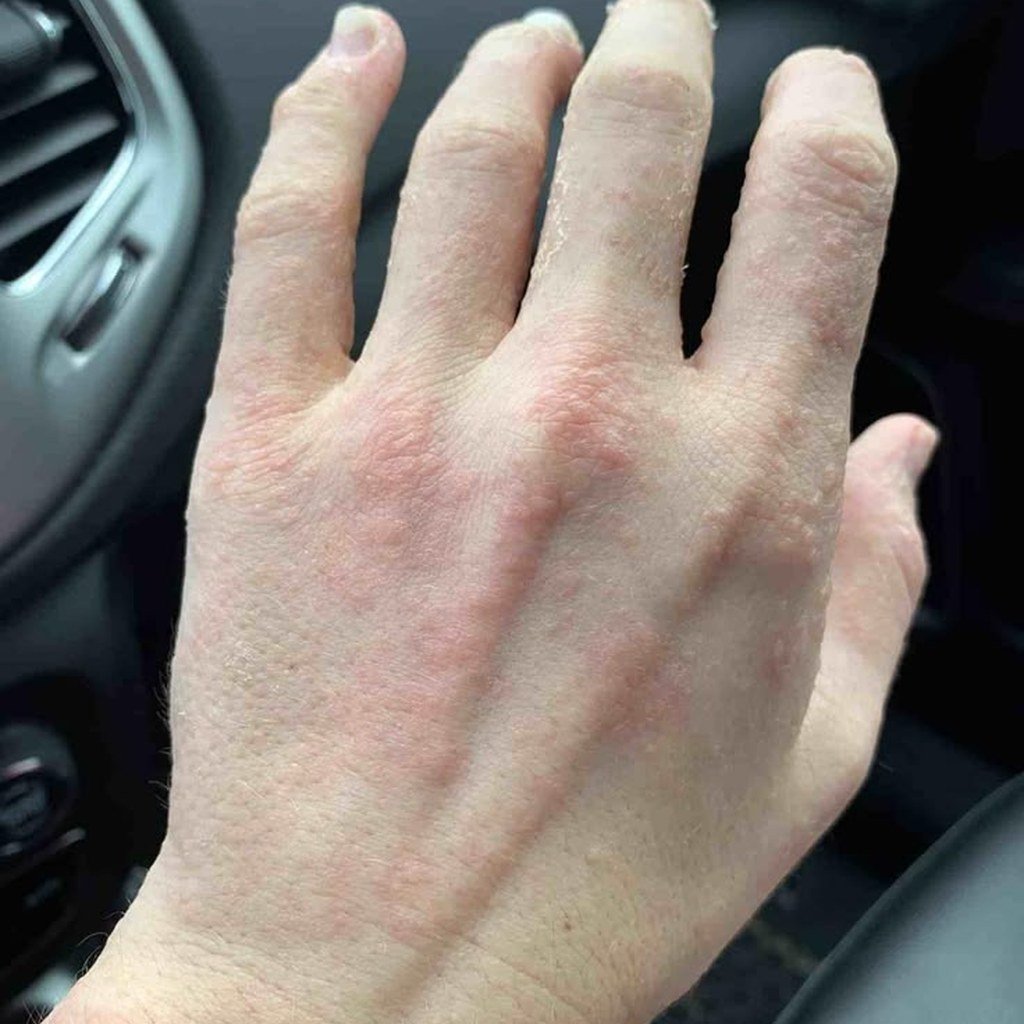




Long body (1026 words), as it runs live
For years the cream only ever worked on the surface of my skin, and the eczema kept coming back from somewhere it was never aimed at, until the thing that finally calmed mine turned out to work from the inside out.
Every time it cleared I let myself hope it was finally gone for good, and every time a hard week came the patches would surface in the exact same spots, so I stayed stuck on a loop of calming the top and waiting for the next round to arrive.
The nights were the hardest part of that loop, lying awake scratching until the sheets were marked and waking up raw, then pulling a long sleeve over it and carrying on as though the skin underneath were behaving itself.
There were summers I spent bracing for people to notice my hands, and winters when the patches split and stung in the cold, and running underneath all of it a quiet certainty that this was simply mine to manage for the rest of my life.
I want to be careful here, because the cream was never useless and I still keep one around, since it brings a bad flare down faster than anything else I have found, but it was only ever treating the top of the skin while the flare kept quietly restarting from underneath.
I had tried almost everything else too, the whole ladder of creams, a long elimination diet that cut out one food after another, and all the inside-out habits, the morning vitamins and the fish oil and the rest of it, each one coming from the right instinct and none of them ever reaching the thing that kept the flare open.
After enough years of that I stopped simply trusting the explanations I had been handed and started trying to find the one that actually fit what I was living with.
The part I had never understood is that the body makes its own calm against a flare, a steroid of its own called cortisol, and cortisol is the thing that actually settles the redness down well before any tube ever gets involved.
The trouble in eczema skin is an enzyme that switches that cortisol off too early, before the calm has had any time to hold, which is why the flare keeps climbing back no matter how good the cream rubbed on top of it happens to be.
The compound in licorice root slows that enzyme, so the calm you already make keeps working a little longer, and a research team led by Teelucksingh showed it happening in human skin as far back as 1990, from a plant and with no steroid going into the body at all.
Later work found that taken by mouth the compound still reaches that same switch, which matters, because it means this is something you can take rather than one more thing to rub on.
It is not some obscure folk cure either, because in Japan that same compound is prescribed for eczema and dermatitis, taken by mouth, which is almost exactly the way I take it now.
That was the part that genuinely stopped me, that a plant most people here keep in a kitchen drawer is handed out as real medicine over there, for the very thing I had spent years fighting with a tube.
There is even a proper trial behind the idea, because in 2020 a six-centre study of 199 adults with chronic eczema gave half of them the compound by mouth alongside a steroid cream and the other half the cream alone, and the ones who added it did better than the cream on its own and saw their itch settle more.
Keep the cream for the flare and add the thing that works on the switch, in other words, which was the whole simple idea sitting there in a real study the entire time.
The reason I had never once heard any of it is not complicated, because dermatology is built to treat the skin where it shows, and almost nobody had ever thought to tell me the body already carries its own answer to a flare and simply switches it off too soon.
What I take is Liverty Dynamic Drops, one dropper of a lemon-tasting oil held under the tongue at night, carrying that licorice root along with a few other calming plants, with every one of them printed openly on the label.
Nothing else in the day had to change for me, no new diet and no giving up the thing that already worked, just one small habit moved to the night, where the itch always seemed to live anyway.
When I started talking about it with other people stuck on the same loop, the same thing kept coming back, nights that finally held and redness that eased from somewhere deeper than any surface cream had been reaching.
None of it happened overnight, so the first thing I noticed was sleeping through the night instead of waking to scratch, and then fewer new patches after the hard stretches over the following weeks, and by around the second month the old patches had stopped coming back to the same places.
The honest part is that I stayed skeptical for a while, because enough bottles had let me down that I expected nothing, and it was the slow steadiness of the thing that won me over rather than any single dramatic morning.
By then the loop I had lived inside for years had quietly gone slack, and I noticed it mostly by its absence, by the mornings I got dressed without first taking stock of the damage.
If the cream has been quietly calming the surface for you for years while the eczema keeps returning anyway, it is worth knowing there is a side of this that works from the inside, on the thing the cream was never aimed at in the first place.
You keep your cream for the bad weeks, the way I kept mine, and you add the drop for the part it was never built to reach, and you can read about it here: phoilex.com/pages/liverty-drops